$900
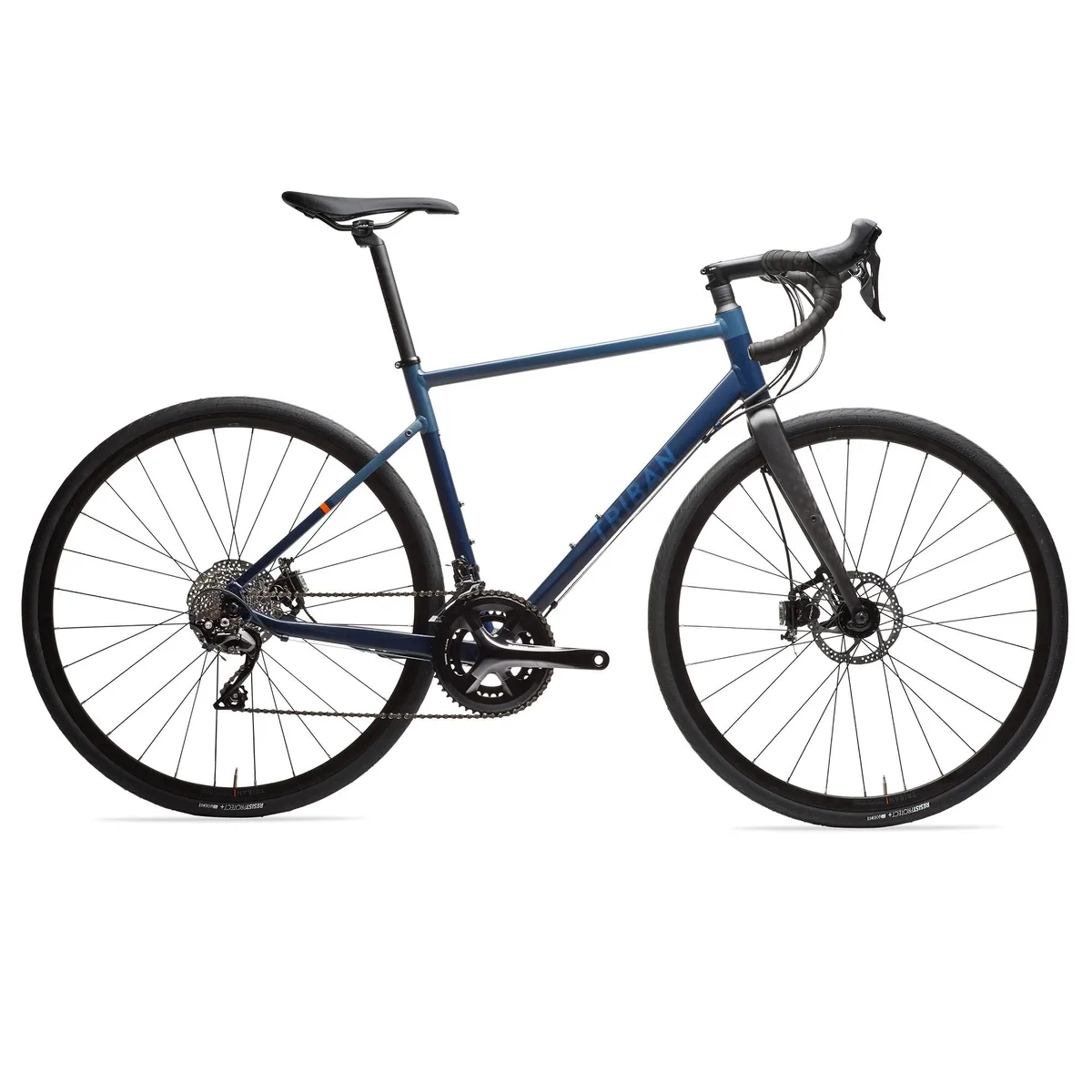
Triban
RC520 Disc
~10.8 kg|Shimano 105|36 mm
Endurance
Aluminum
Shimano 105 shifting under $1,000; TRP HY/RD mech-hydraulic brakes
View on TribanCompare
Edition 2025–2026 · A field guide to road bikes under $3,000
Forty-two current-year models, compared honestly, without the jargon barrier. Pick a starting point below — how you ride, what you can spend, or the questions you'd ask a shop.
Start with how you ride
Each choice below filters the catalogue to the bikes that suit that kind of riding. You can always change your mind — it's just a filter.
Or start with your budget
Price tiers have clear technology breakpoints. Knowing what each band buys — groupset, brakes, frame material — keeps you from overpaying or underbuying.
01
ENTRY
Aluminum frames. Shimano Sora, Tiagra or 105. Mechanical or hybrid brakes. The honest floor of real road bikes.
See all 20 bikes in this rangeTriban
Shimano 105 shifting under $1,000; TRP HY/RD mech-hydraulic brakes
View on Triban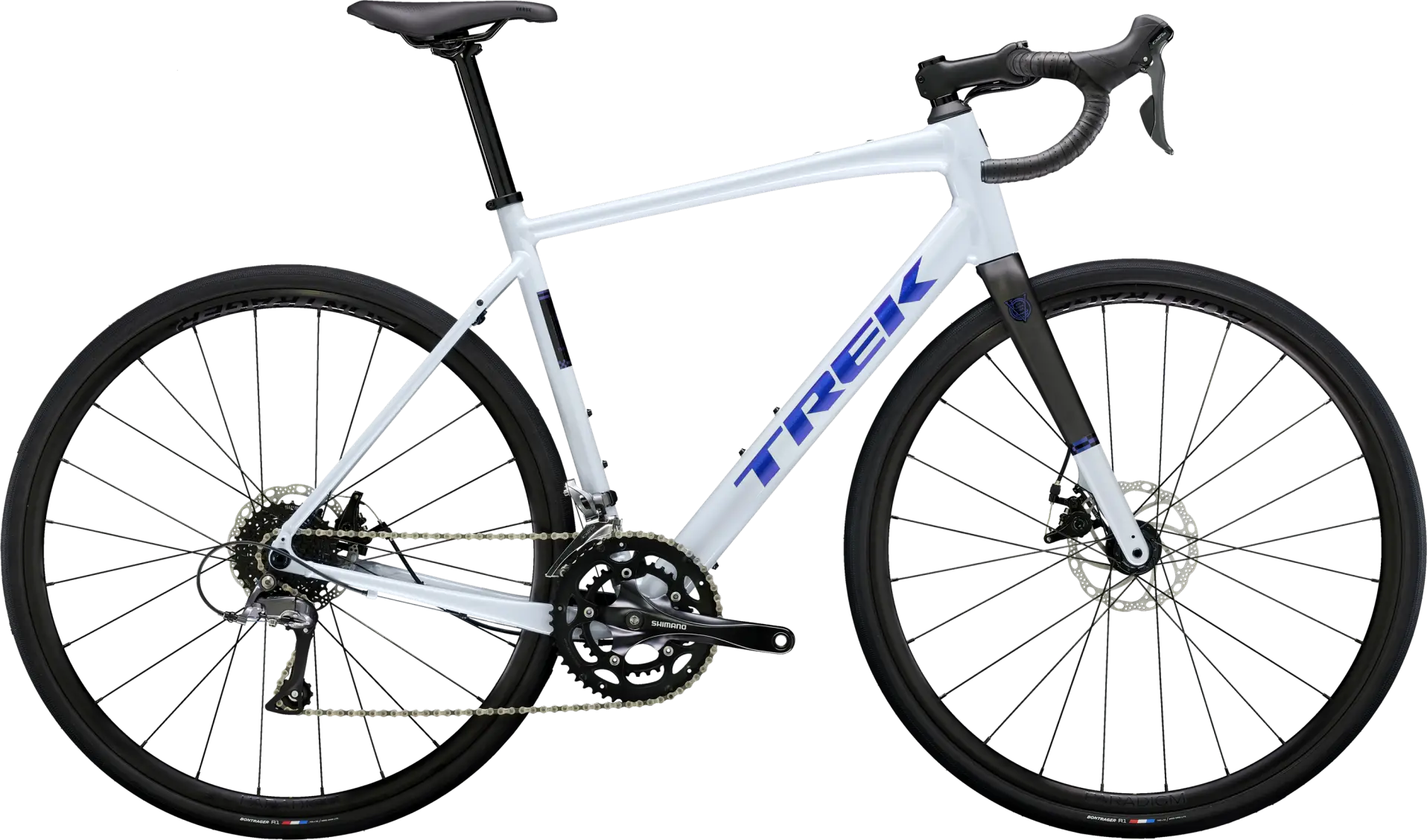
Trek
BikeRadar 2024 Budget Road Bike of the Year; best upgrade foundation
View on Trek02
STEP-UP
Premium aluminum or the cheapest real carbon. 105 12-speed is the norm. Hydraulic brakes become standard.
See all 7 bikes in this range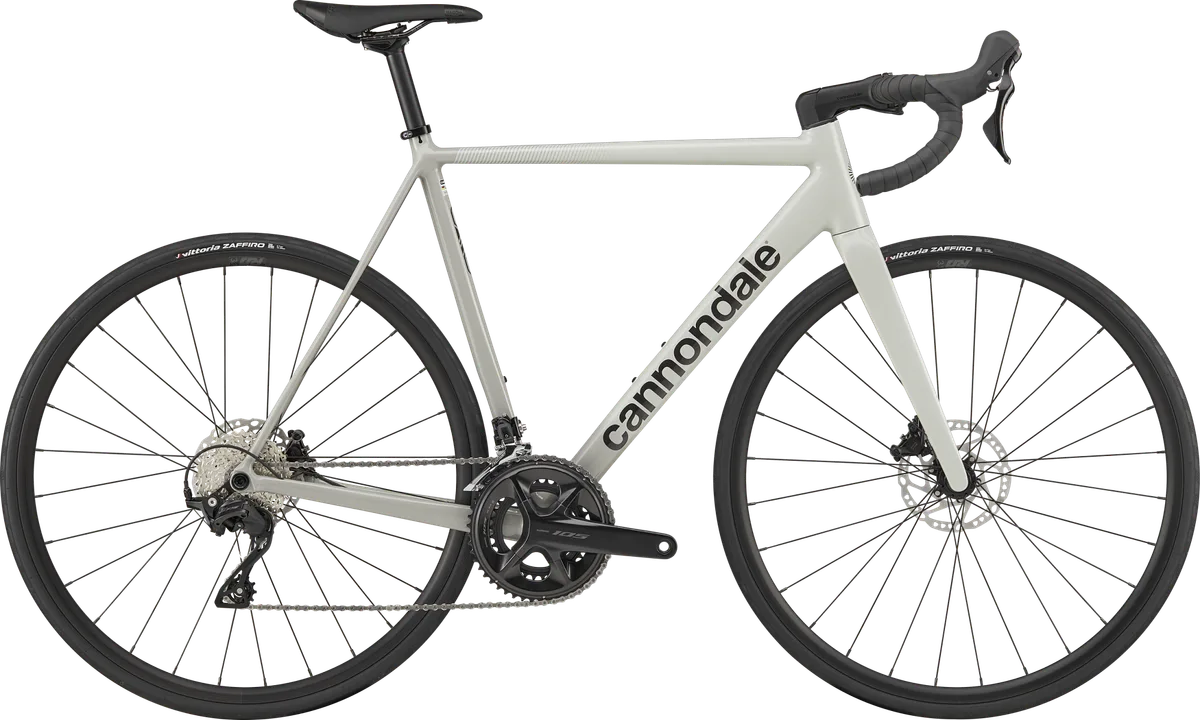
Cannondale
Legendary aluminum race platform; more aggressive than SuperSix EVO geometry
View on Cannondale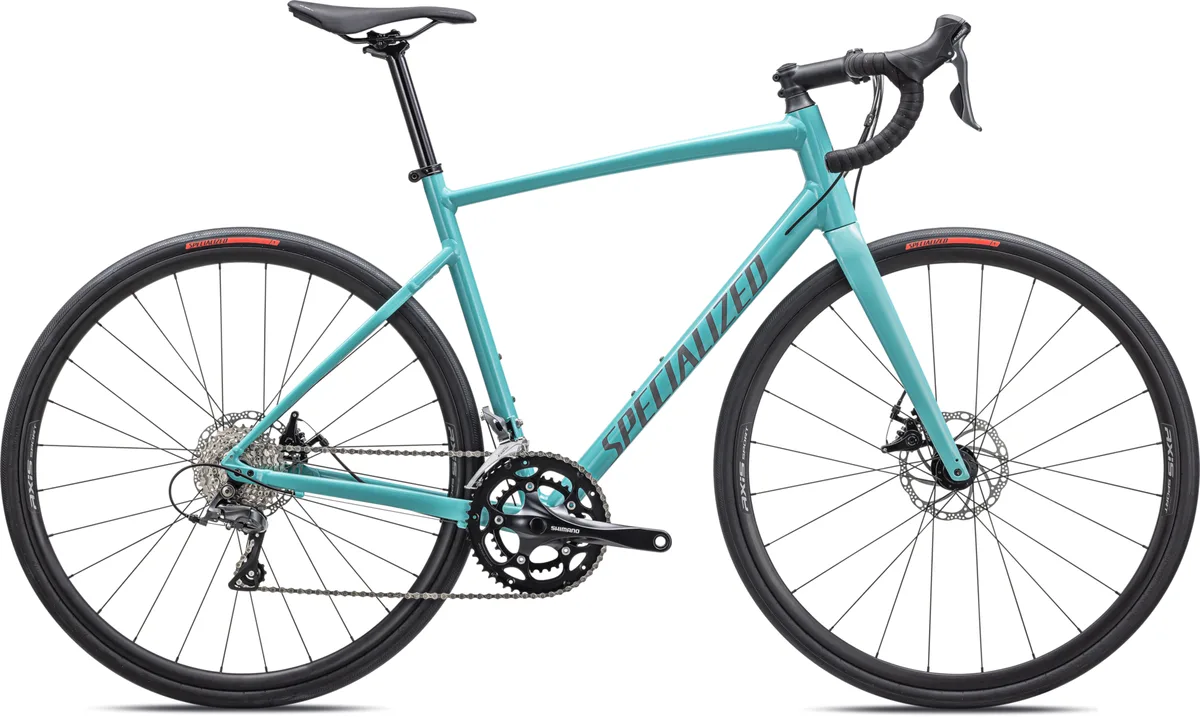
Specialized
E5 Premium alloy; lightest entry-level frame in class; full carbon fork
View on Specialized03
PREMIUM
Full carbon. 105 Di2 or SRAM Rival AXS wireless. Aero tube shapes, integrated cockpits. The ceiling of this guide.
See all 17 bikes in this range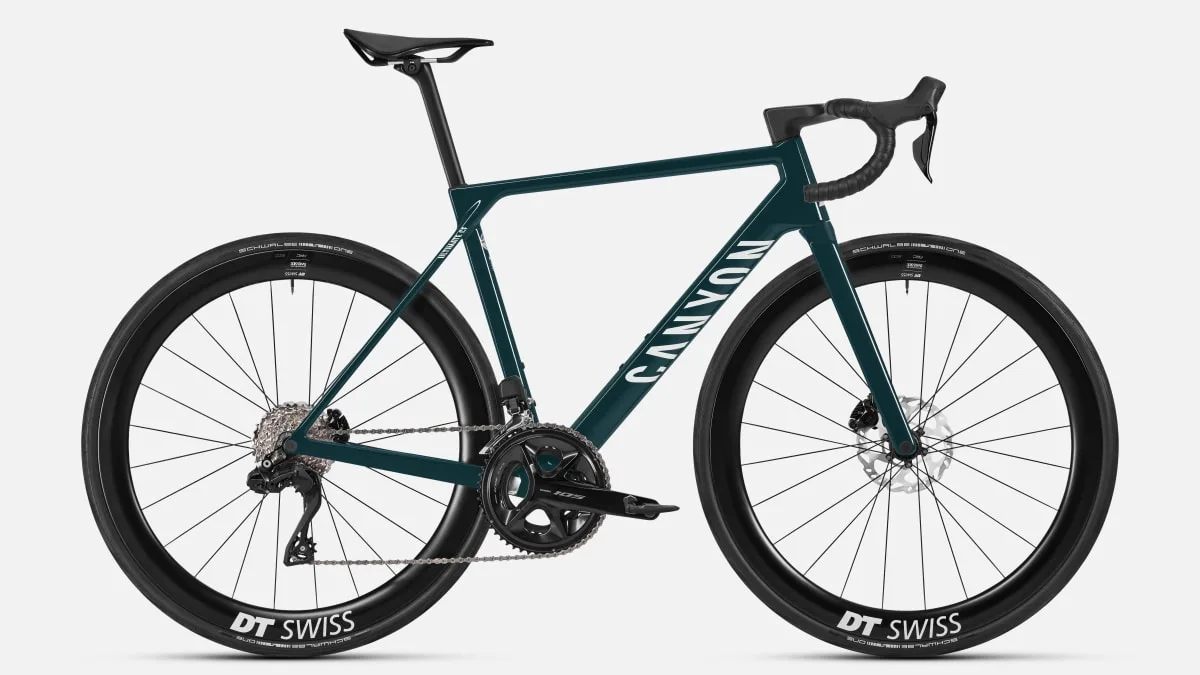
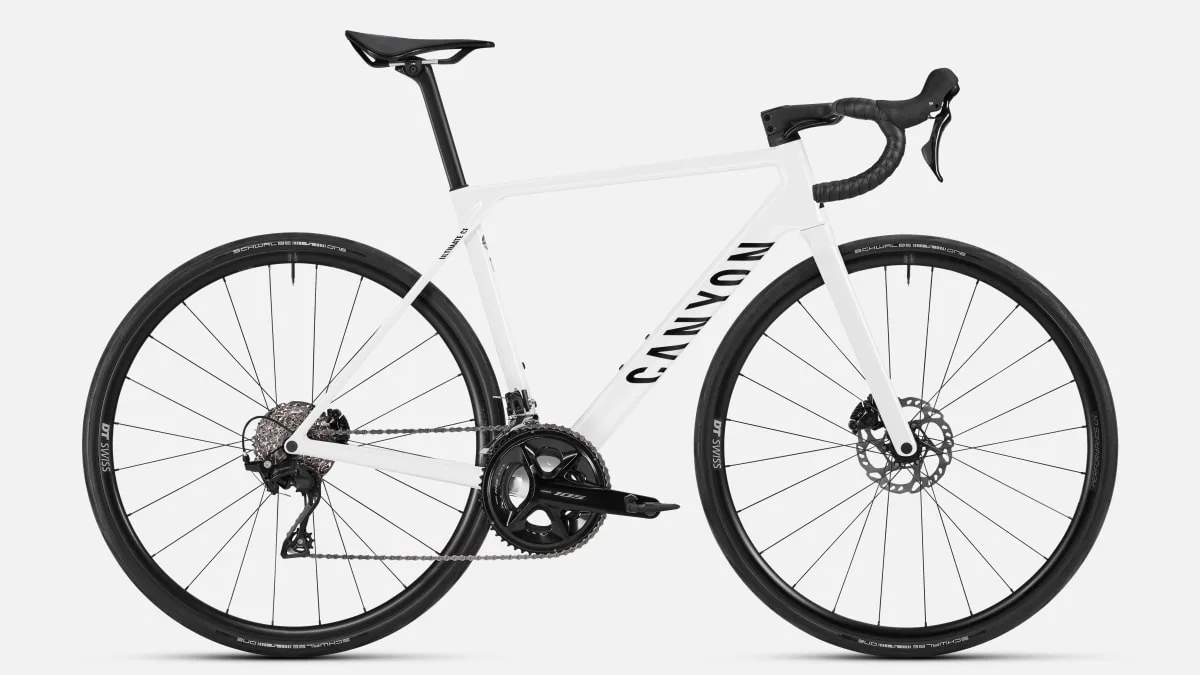
Canyon
Lightest sub-$3K carbon; wind-tunnel-tested aero frame
View on Canyon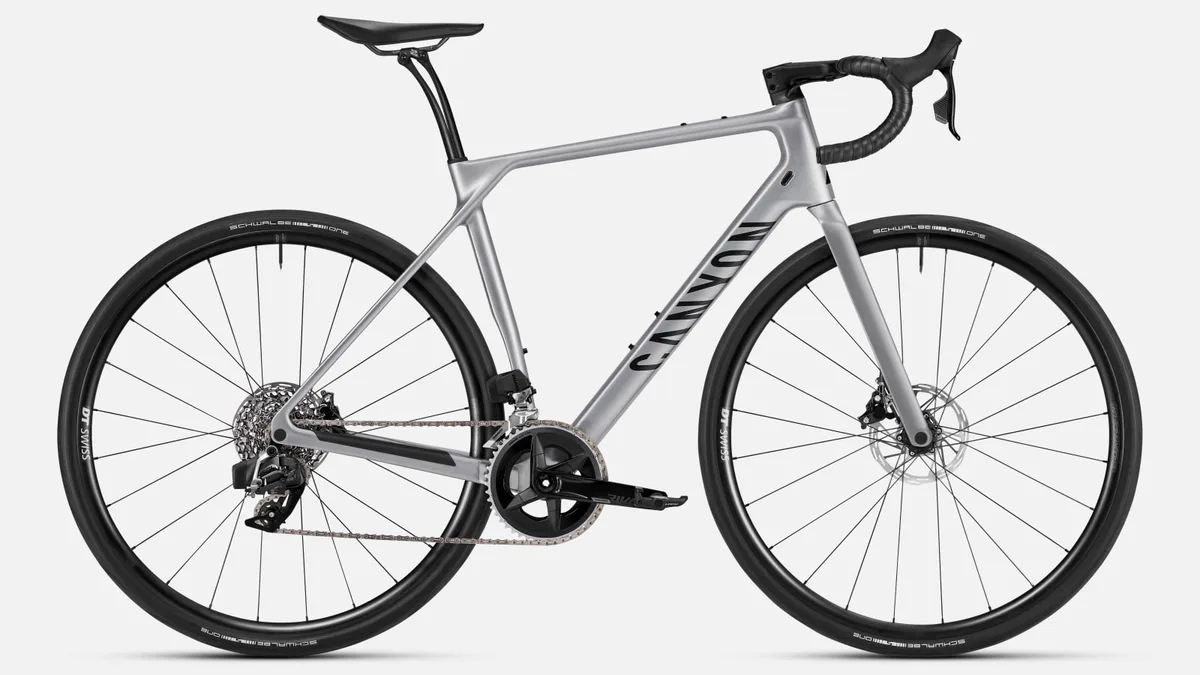
Canyon
Wireless electronic shifting under $3K; VCLS 2.0 seatpost
View on CanyonThe three questions worth knowing
Every spec sheet pivots on a handful of choices. Flip the toggles to see the short version — click "Deep dive" for the full story.
The single most important decision — it defines how you sit on the bike.
Lower front end, tighter wheelbase. Fast, aggressive, twitchier at low speed. Good for group rides, climbs, and sprints.
16 race bikes
Modern aluminum has closed the gap a lot. The difference is smaller than marketing wants you to think.
300–800 g lighter. Smoother ride, easier aero shaping. Costs $500–$1,500 more. Cracks rather than dents.
15 carbon bikes
Disc brakes are universal now. Actuation — what pulls the pads in — is the real question.
Self-adjusting, consistent feel, better modulation. Standard on everything above $1,200.
40 hydraulic bikes
The full catalogue
Grouped by category. Filter and sort with the bar below — every filter lives in the URL, so you can share any view.
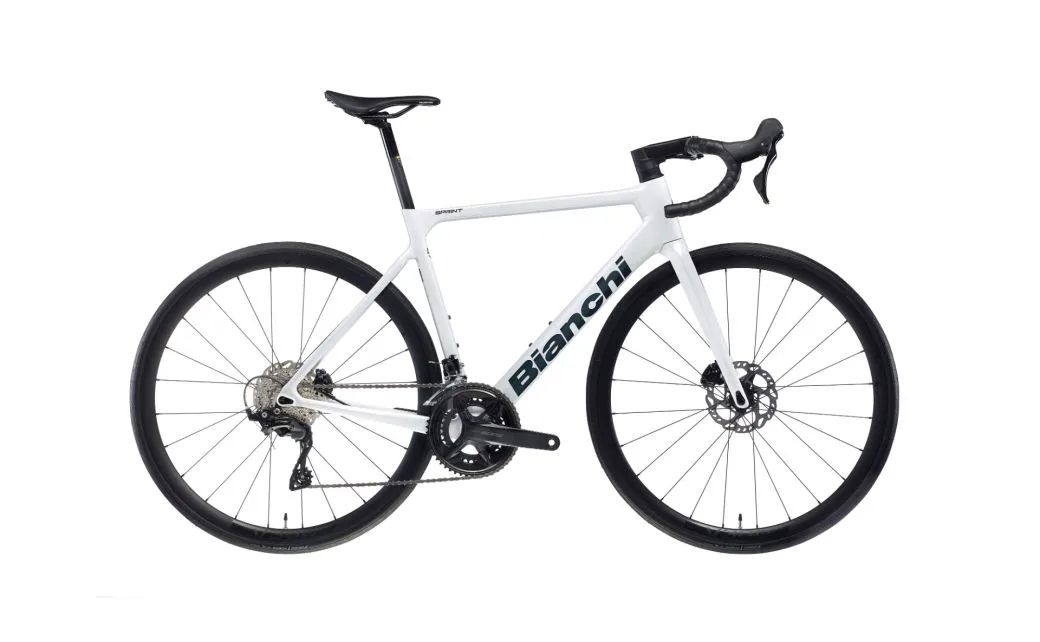
Bianchi
Italian carbon race bike at the price ceiling
View on Bianchi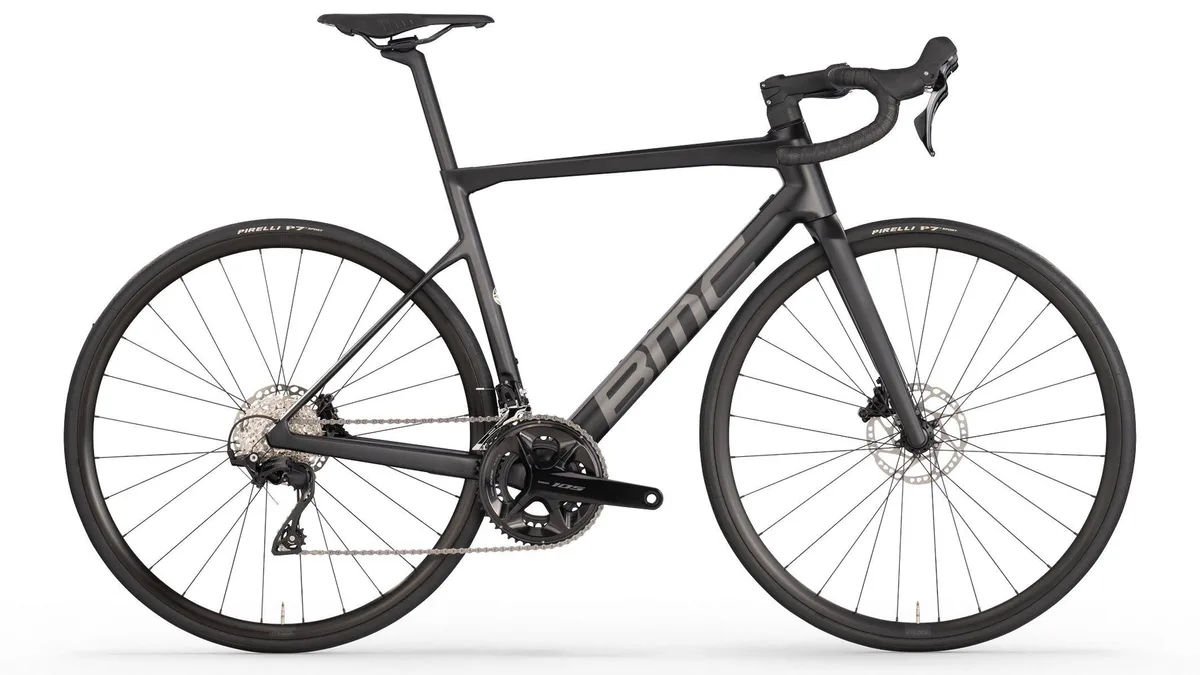
BMC
ACE+ computational design; WorldTour-derived frame
View on BMC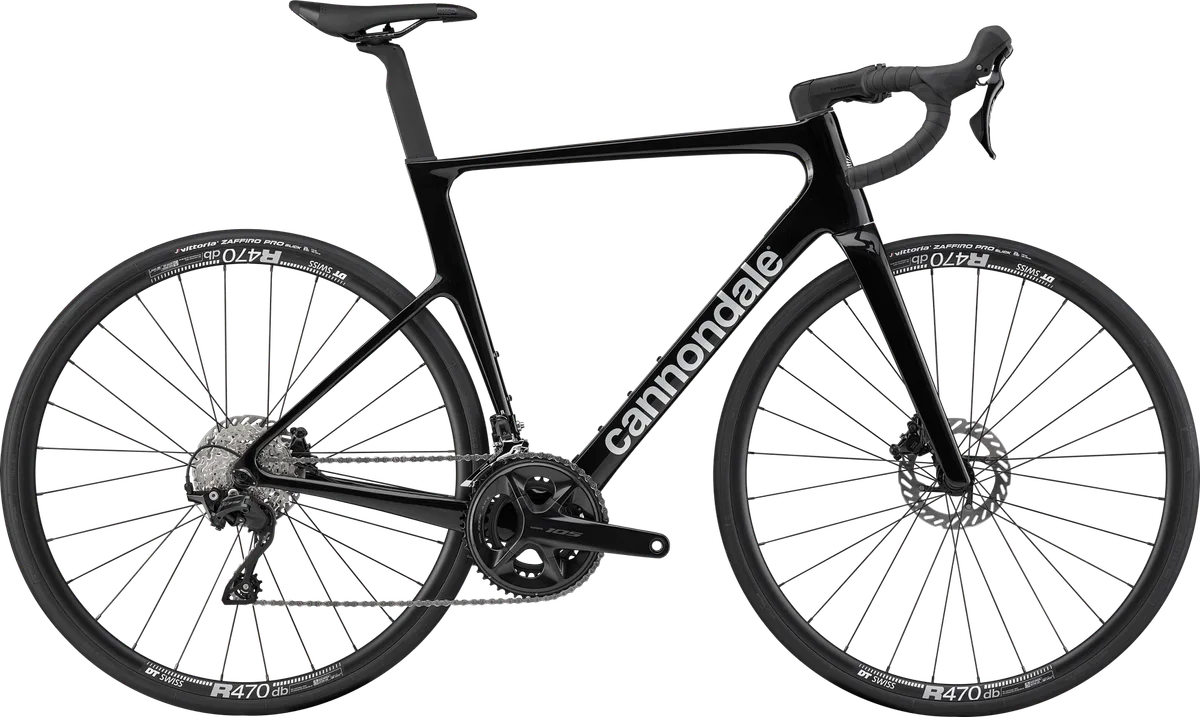
Cannondale
Pro-level race platform; Delta steerer aero integration
View on CannondaleCanyon
Lightest sub-$3K carbon; wind-tunnel-tested aero frame
View on Canyon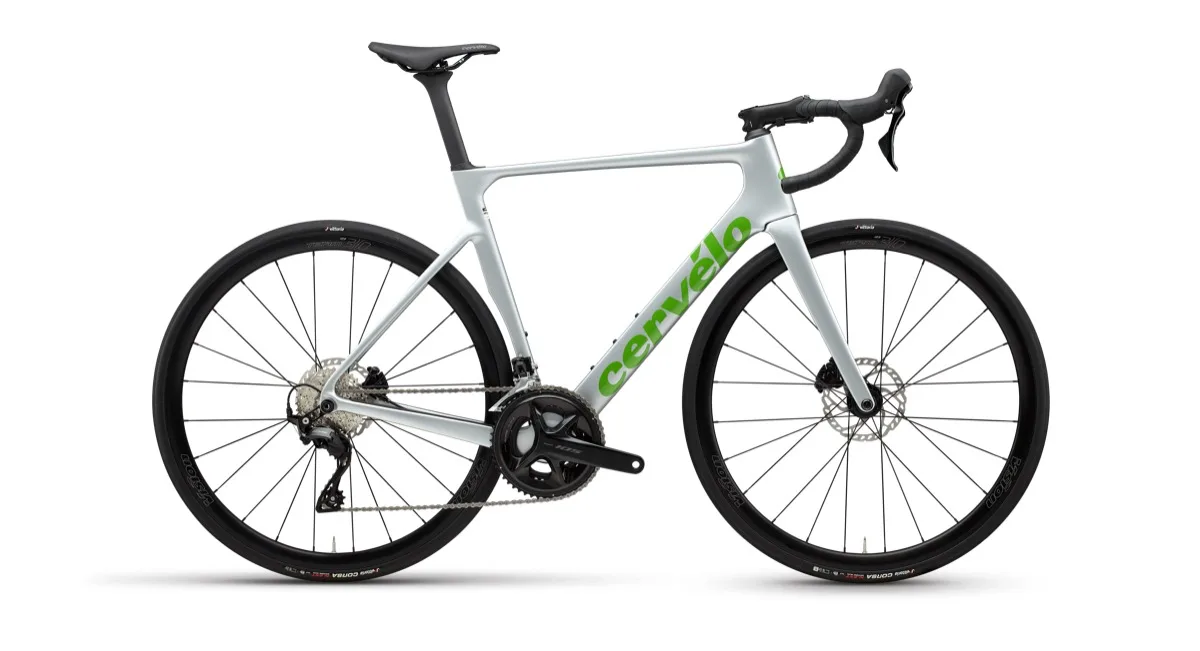
Cervélo
Aero frame between S5 and R5; BBRight threaded BB
View on Cervélo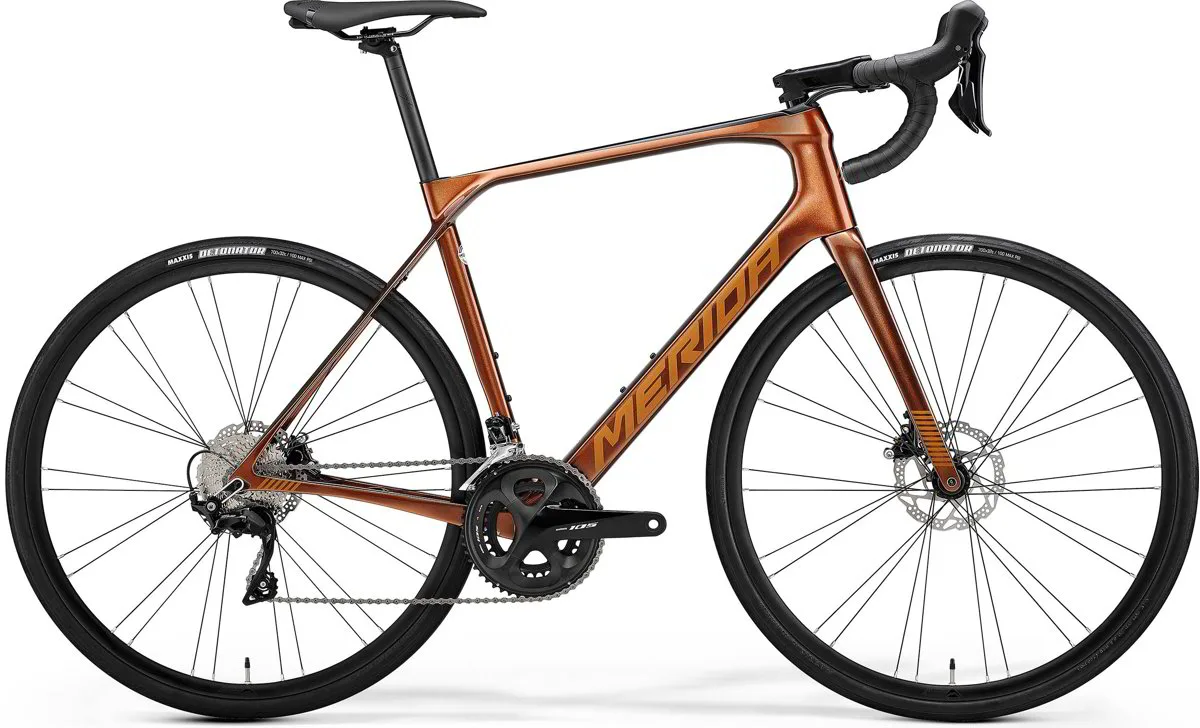
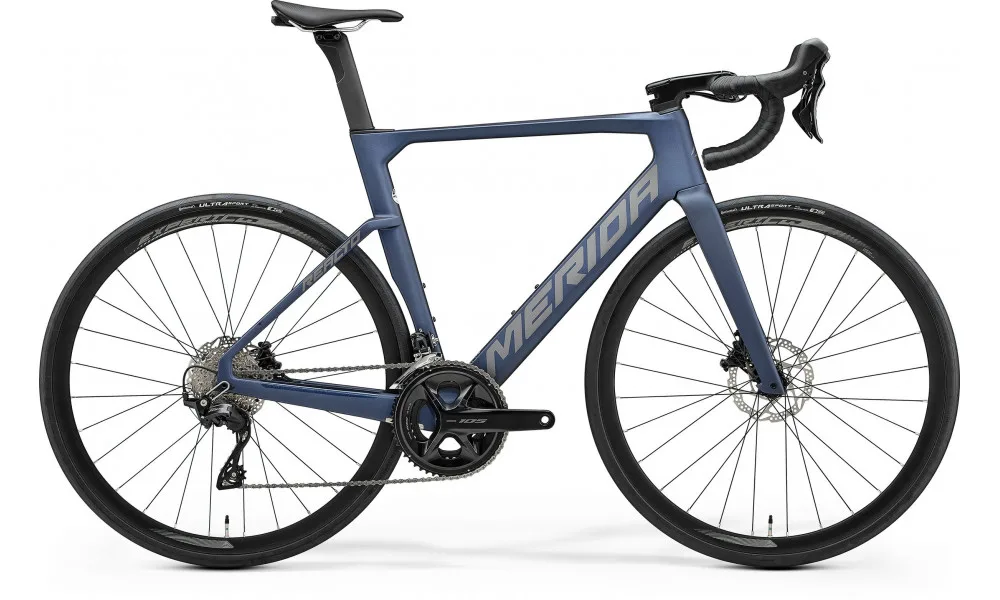
Merida
Pro geometry; strong value if available in US
View on Merida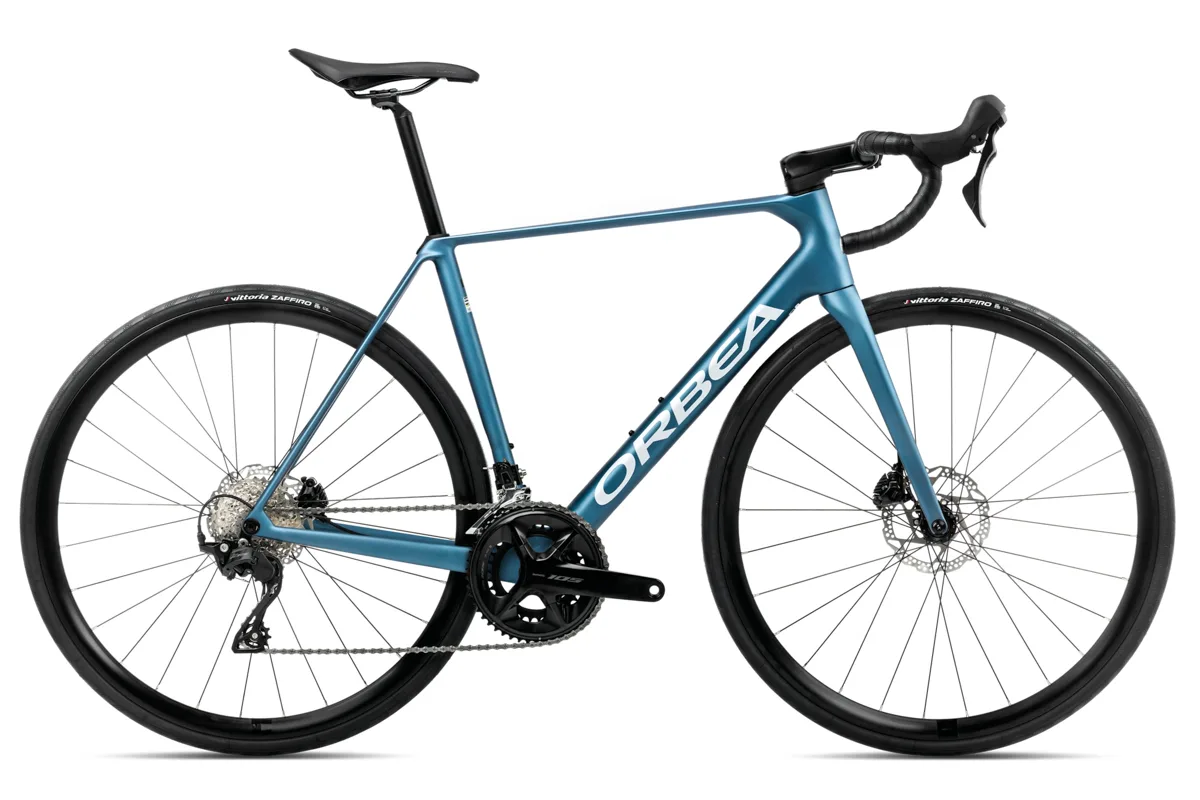
Orbea
Same OMR carbon as top-tier Orca; MyO custom colors
View on Orbea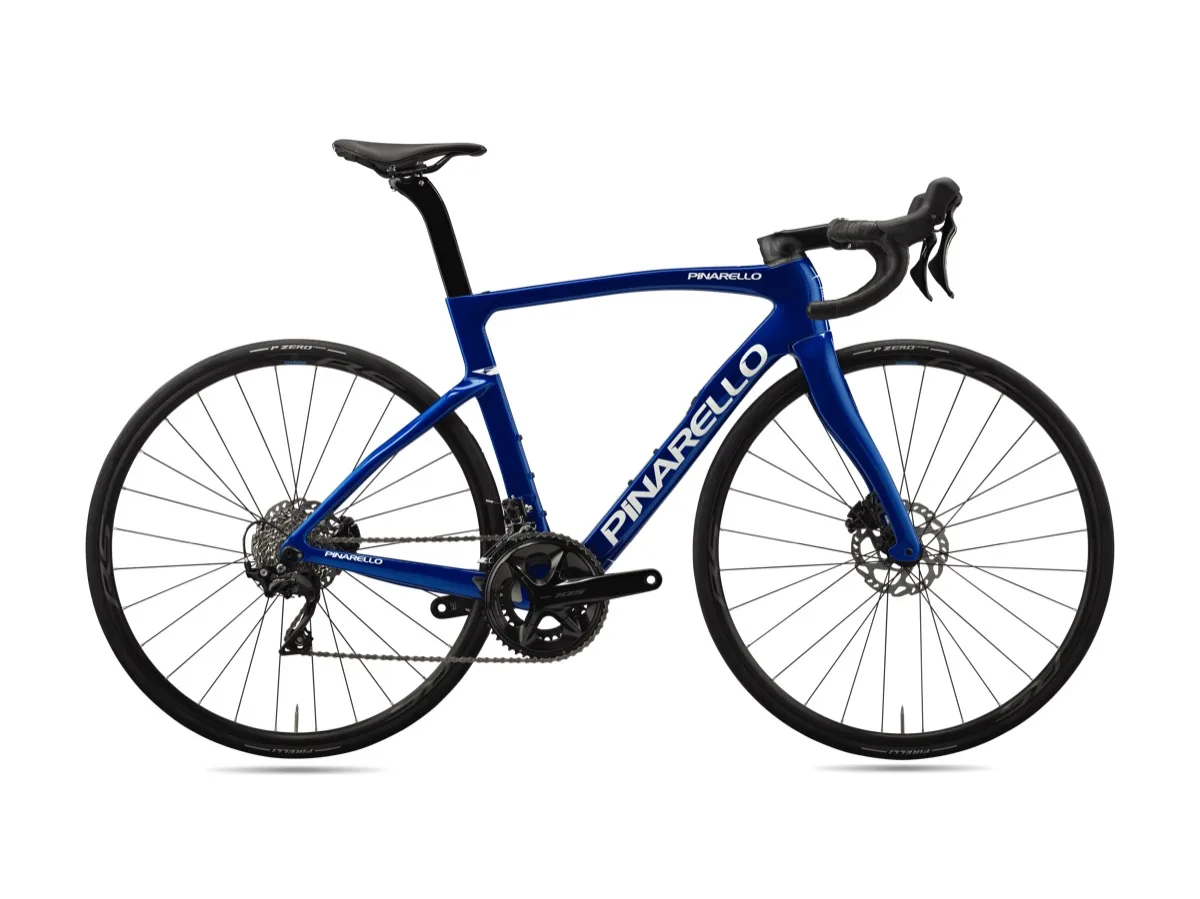
Pinarello
Dogma-derived asymmetric frame; Pinarello's cheapest ever
View on PinarelloCanyon
Wireless electronic shifting under $3K; VCLS 2.0 seatpost
View on Canyon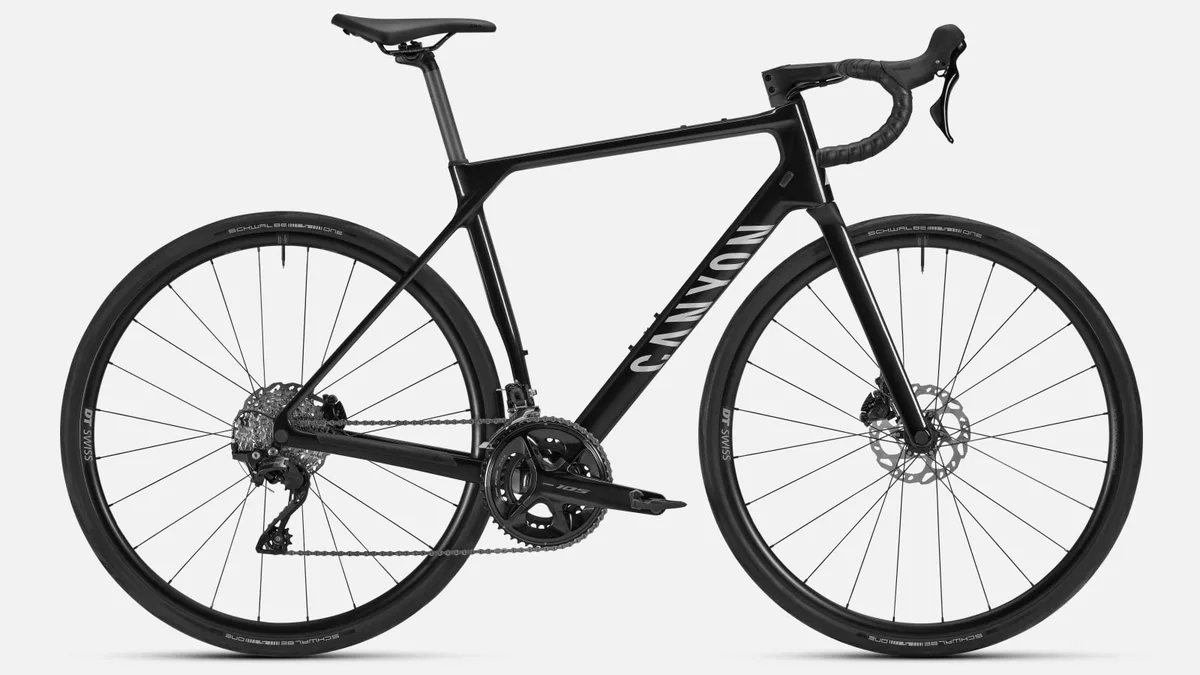
Canyon
VCLS 2.0 carbon leaf-spring seatpost; 8 sizes
View on Canyon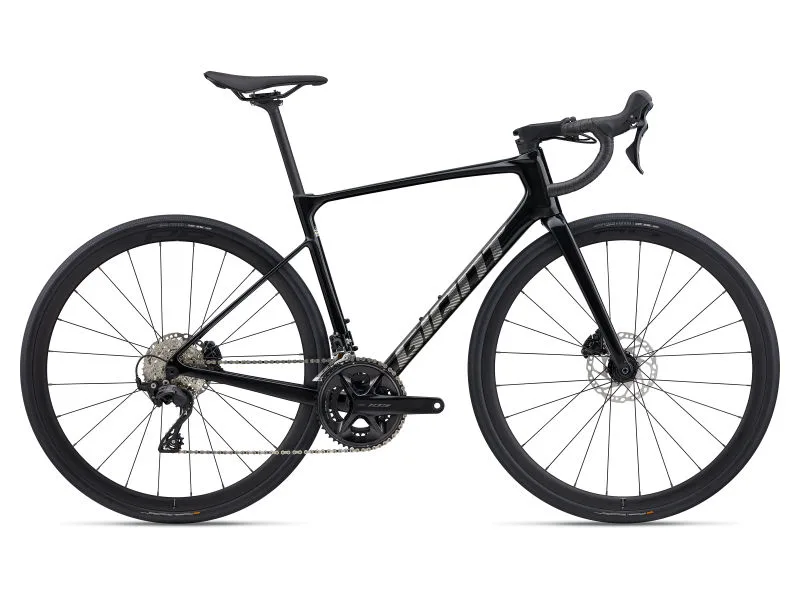
Giant
D-Fuse compliance system; BikeRadar Bike of the Year
View on Giant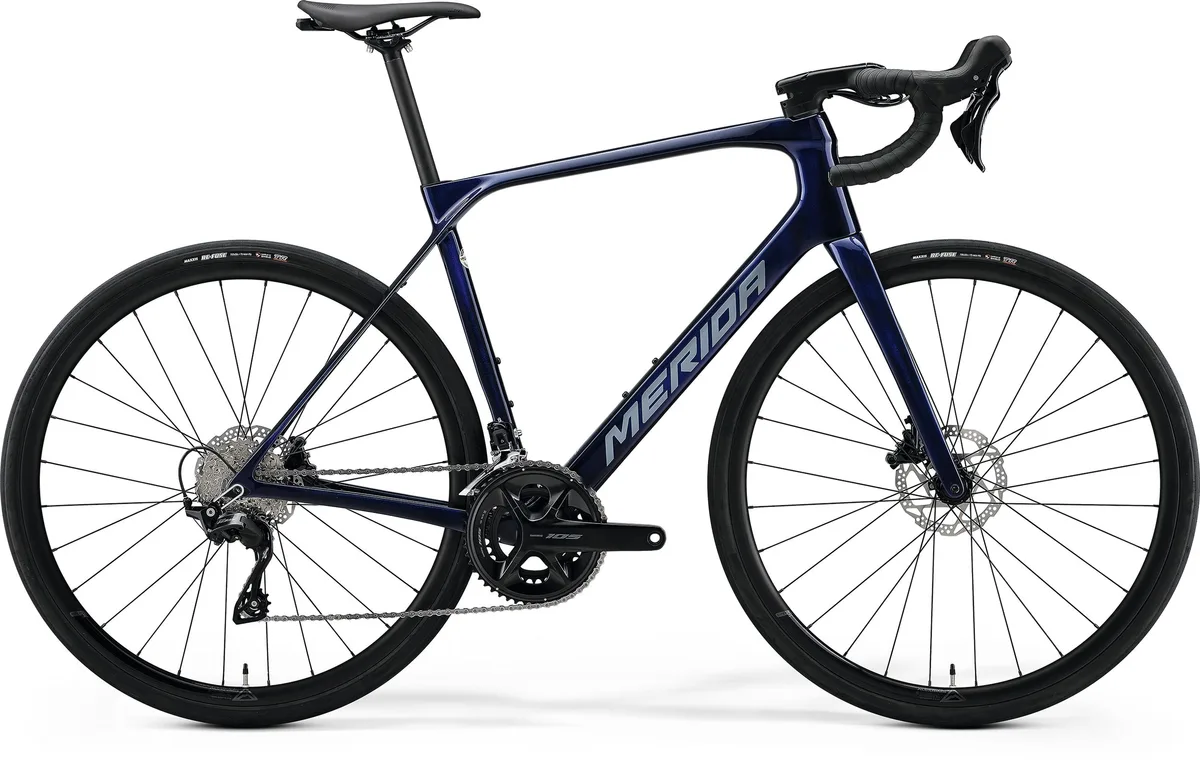
Merida
Disc brake cooling fins; mudguard compatible
View on Merida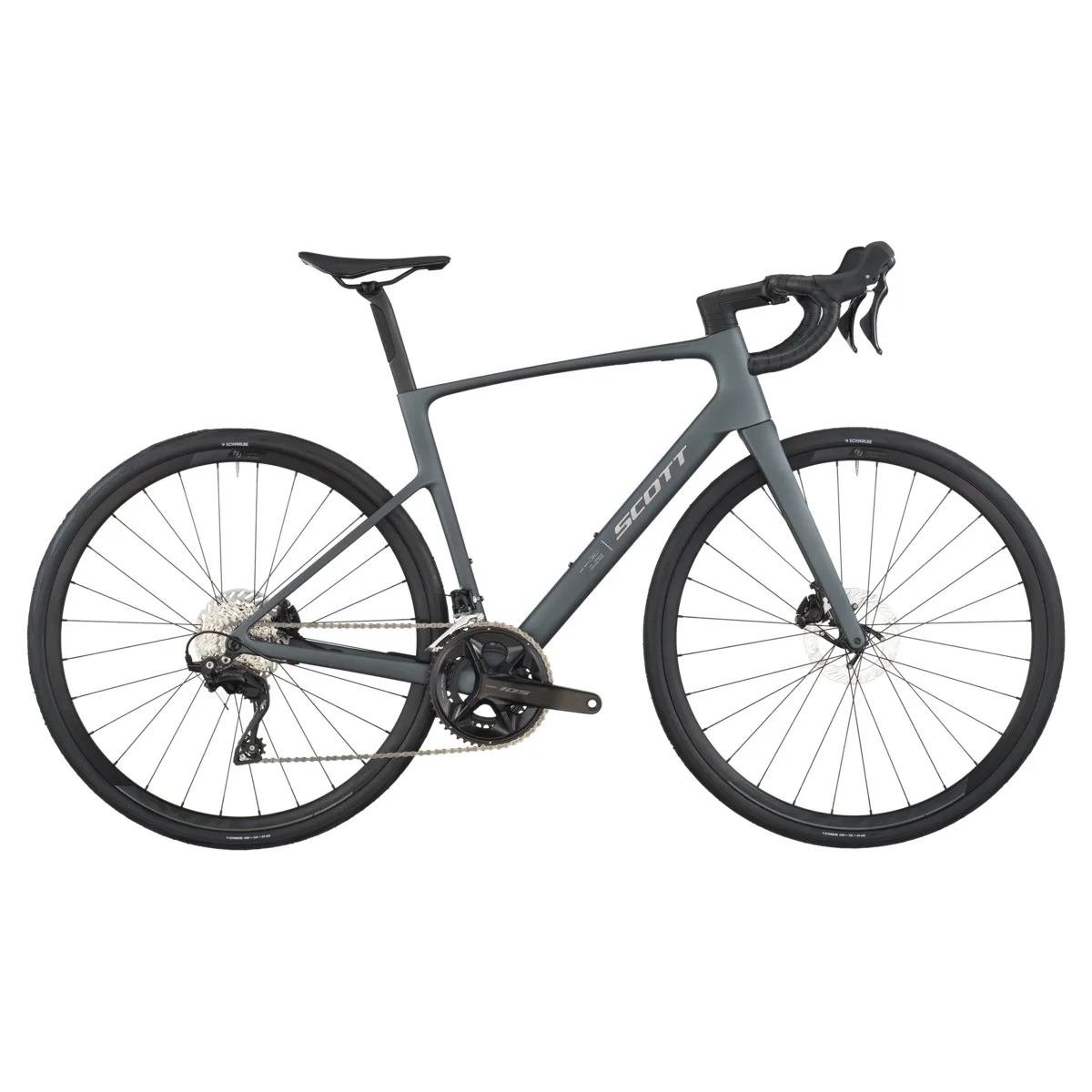
Scott
50% more compliance than predecessor; integrated tool storage
View on ScottCannondale
Legendary aluminum race platform; more aggressive than SuperSix EVO geometry
View on Cannondale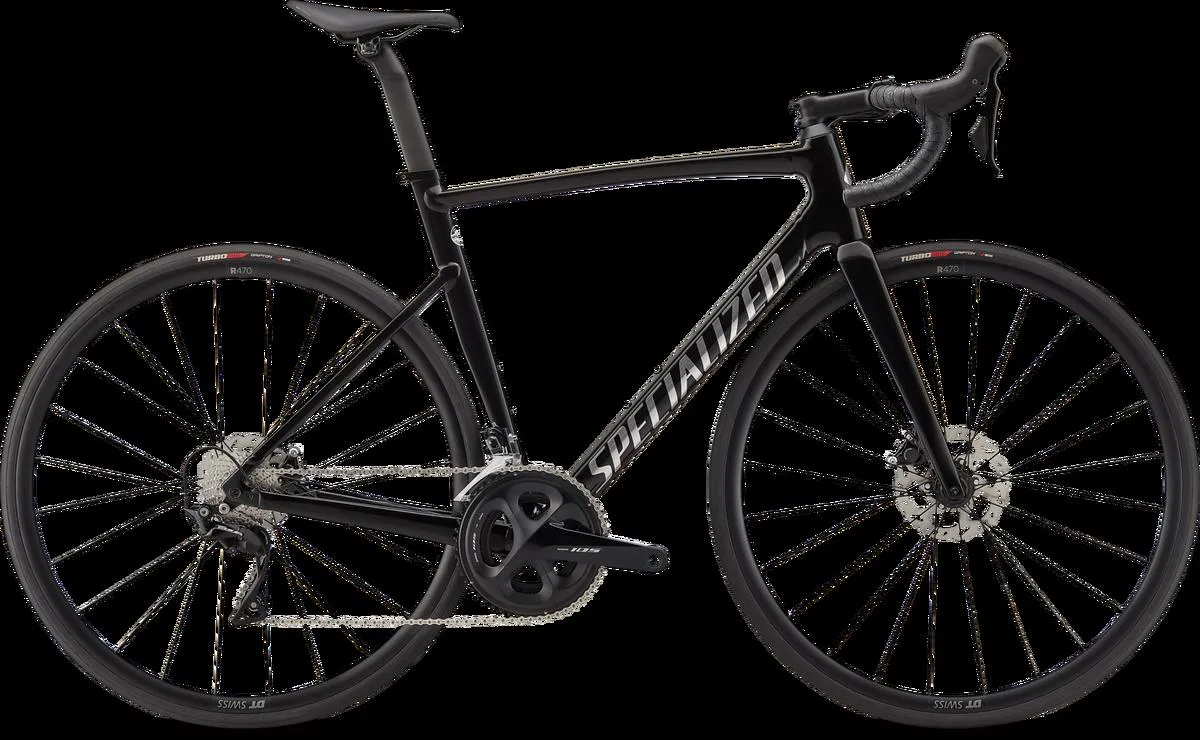
Specialized
Tarmac SL7 carbon fork + seatpost; aero alloy super bike at 8.68 kg
View on Specialized