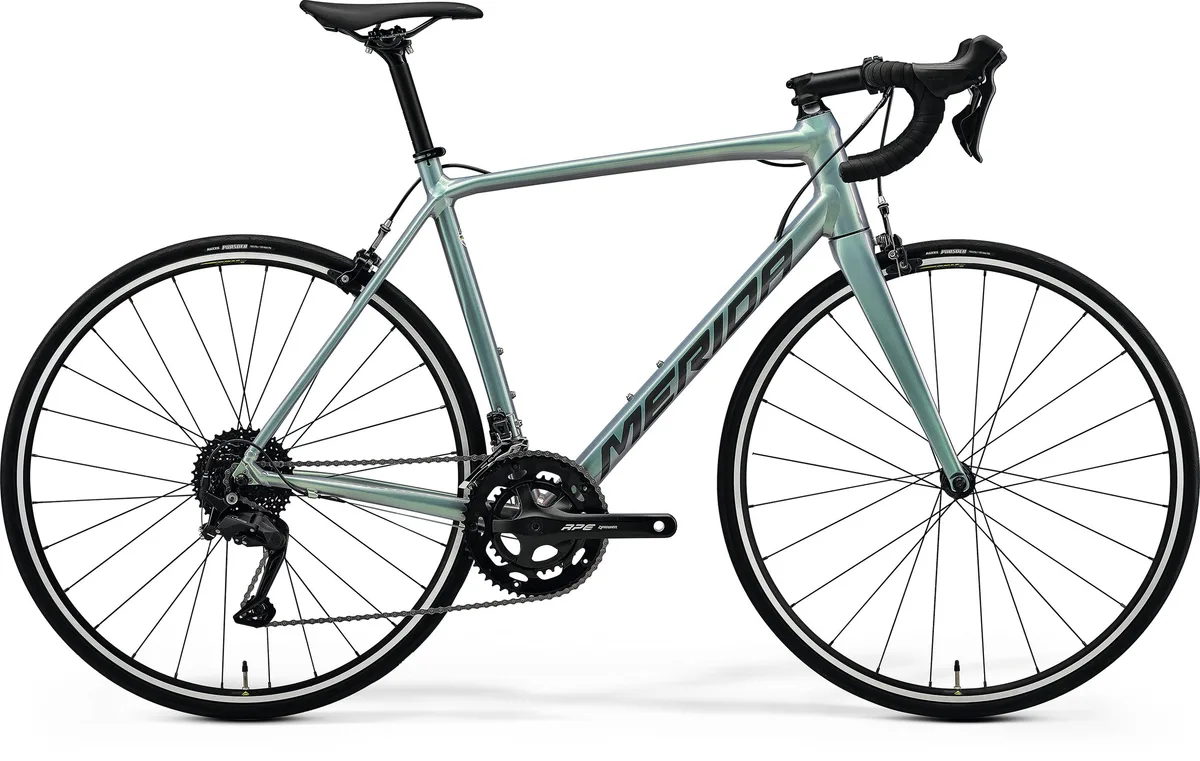
$800
Merida
Scultura 100
~9.6 kg|Claris|28 mm
Race
Aluminum
Carbon fork; race geometry; impressively light for entry level
View on MeridaCompare
Under $1,500 is where road cycling actually starts for most riders. The bikes in this range share a formula: lightweight aluminum frames, carbon forks, hydraulic or mechanical disc brakes, and 2x drivetrains with enough range for both flat rides and long climbs. Twenty bikes in our catalogue sit at or below that price — from $800 entry models to near-$1,500 bikes with 105-tier shifting.
Merida
Carbon fork; race geometry; impressively light for entry level
View on Merida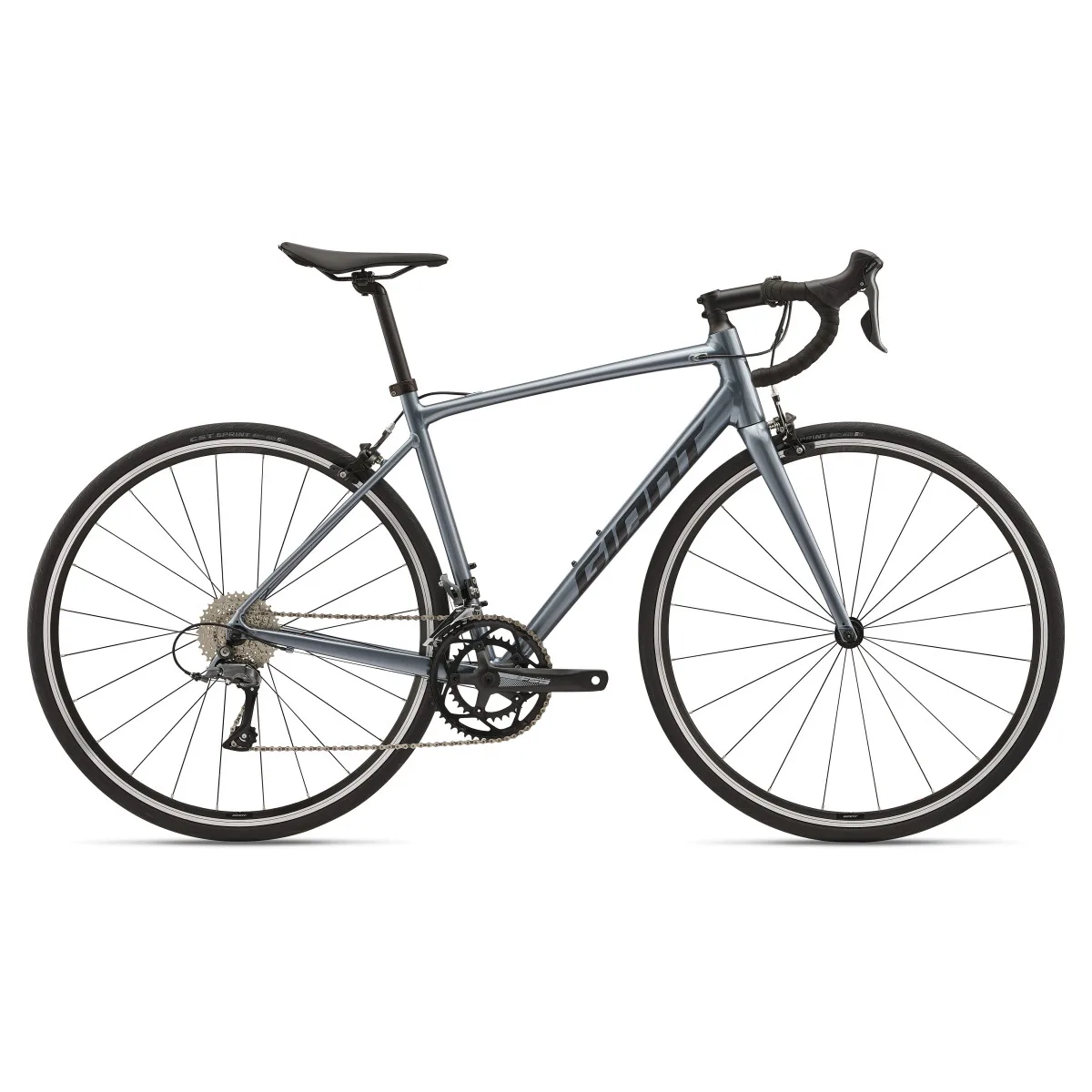
Giant
One of the cheapest hydraulic disc road bikes from a major brand
View on Giant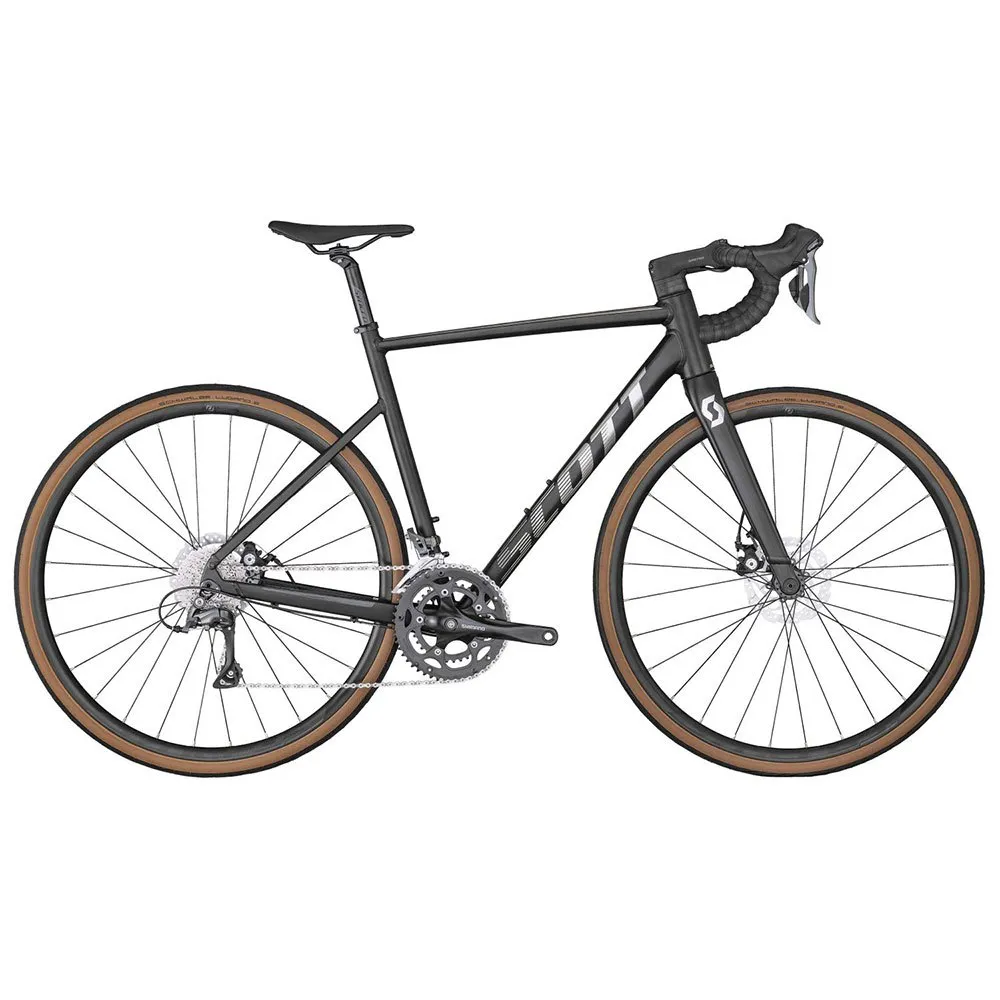
Scott
Clean alloy frame; integrated cable routing; good entry-level weight
View on Scott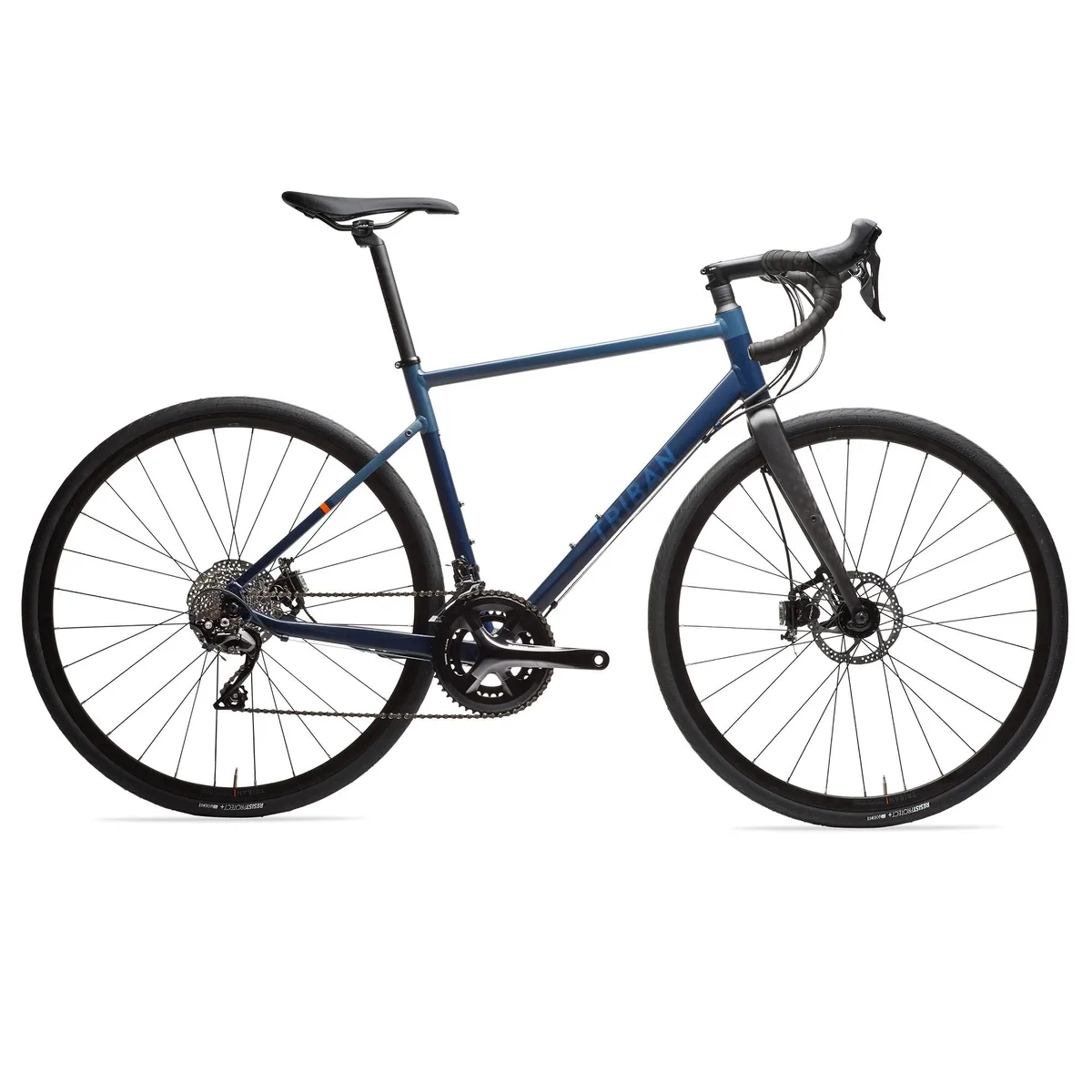
Triban
Shimano 105 shifting under $1,000; TRP HY/RD mech-hydraulic brakes
View on Triban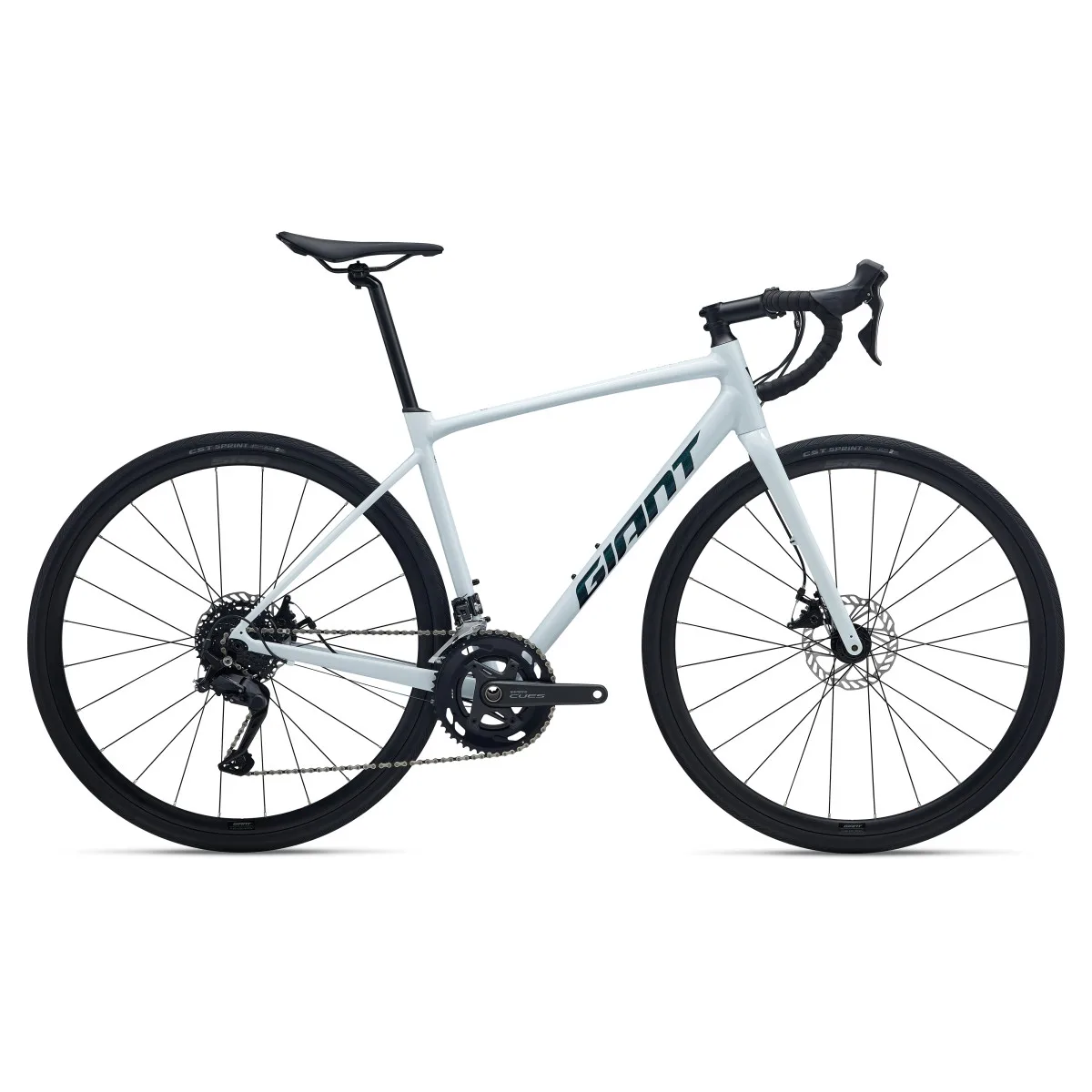
Giant
D-Fuse seatpost; 38mm clearance; carbon fork; 12mm thru-axles
View on Giant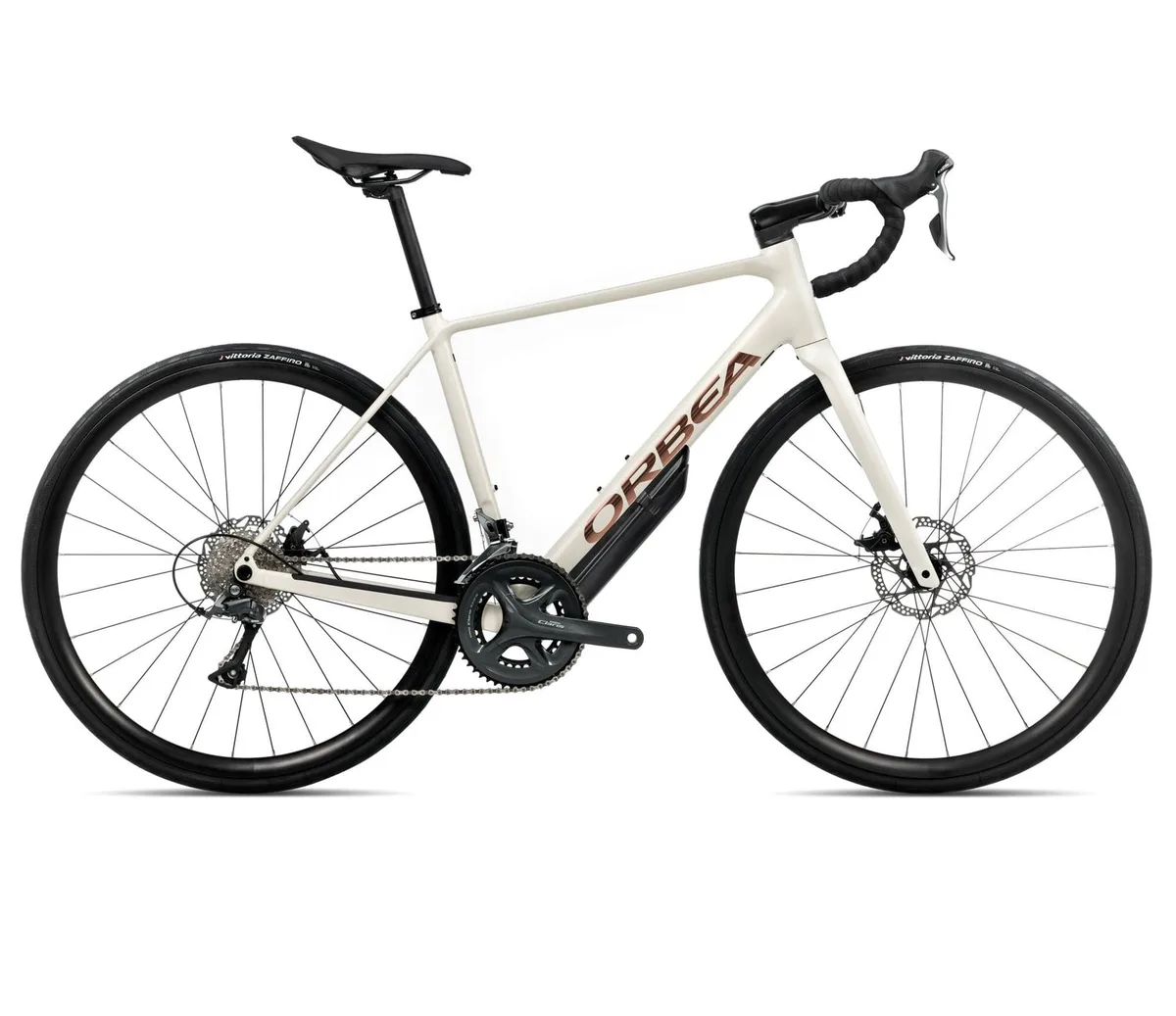
Orbea
Internal cable routing even at entry level; tubeless-ready; lifetime warranty
View on Orbea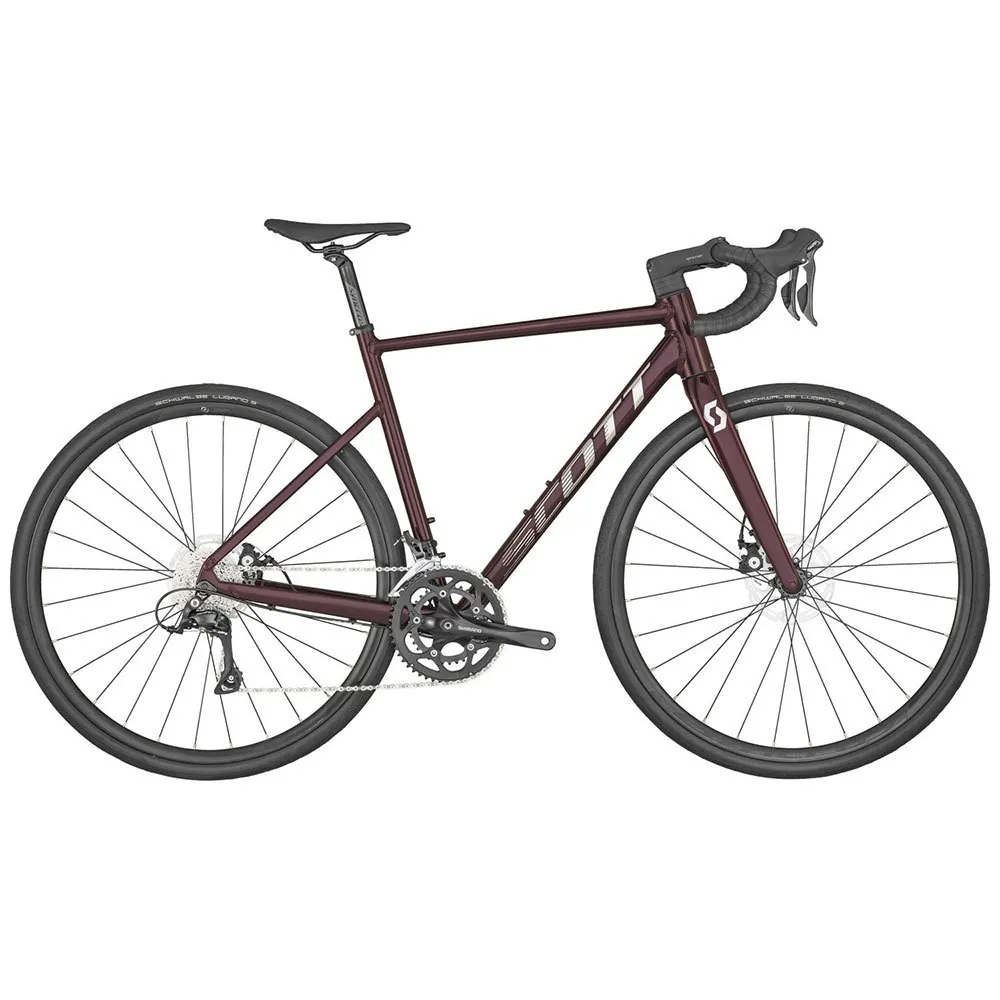
Scott
Lightest bike at this price (~9.8 kg); fully integrated cable routing
View on Scott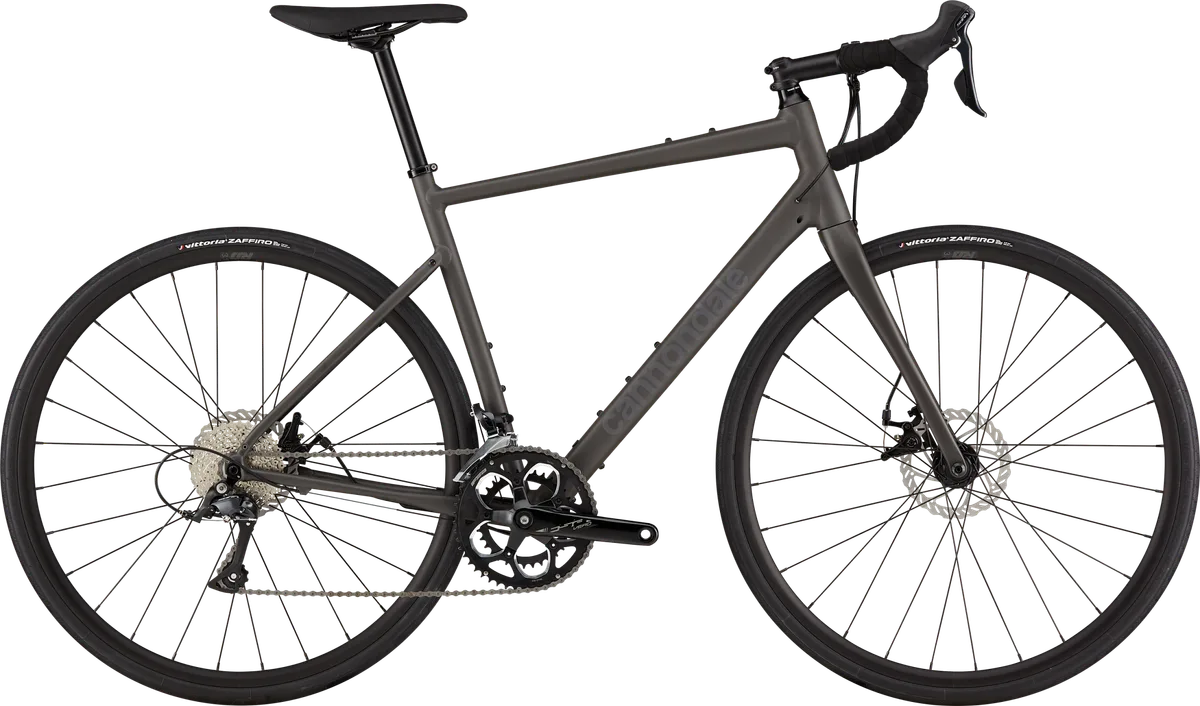
Cannondale
SmartForm C2 alloy; carbon fork; endurance geometry; Sora 9-speed
View on Cannondale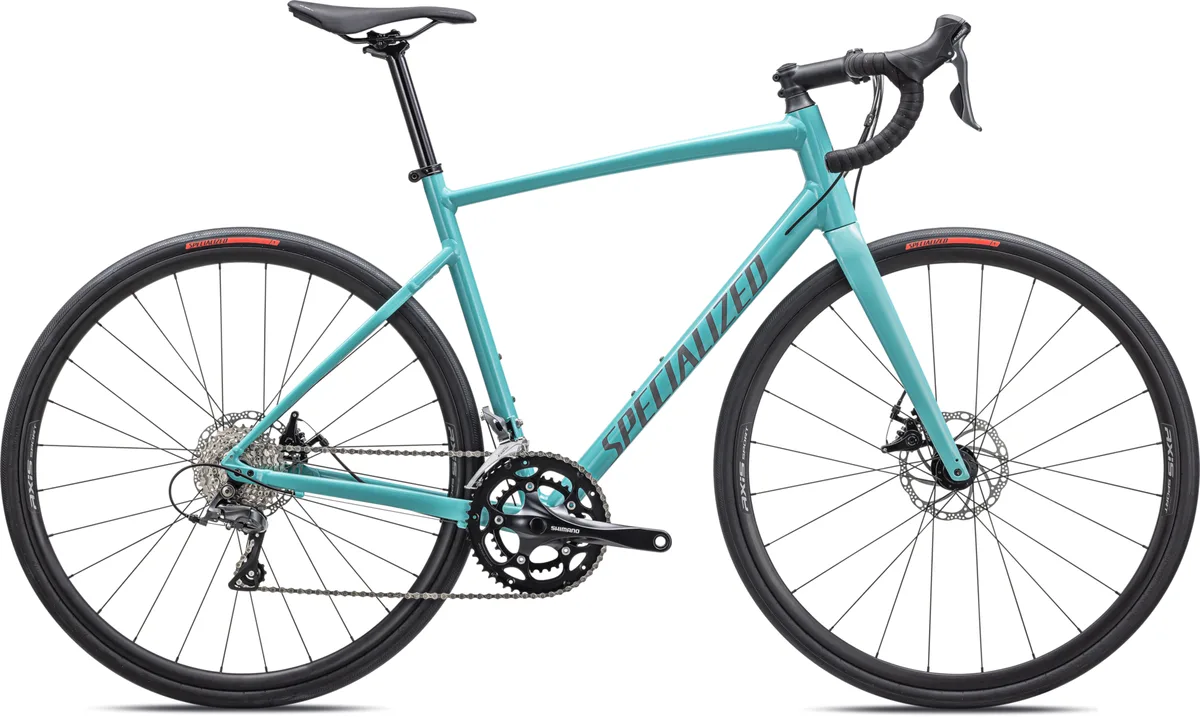
Specialized
E5 Premium alloy; lightest entry-level frame in class; full carbon fork
View on Specialized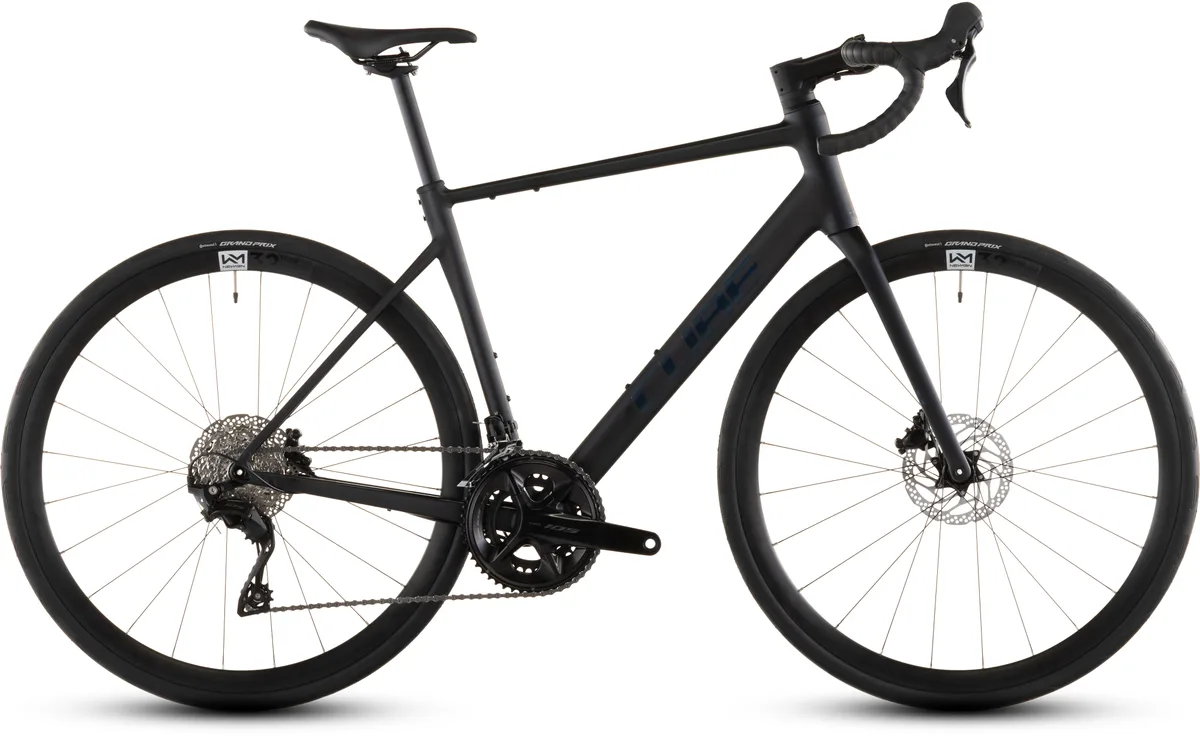
Cube
Fast and lively handling; smooth welds; good climbing weight
View on Cube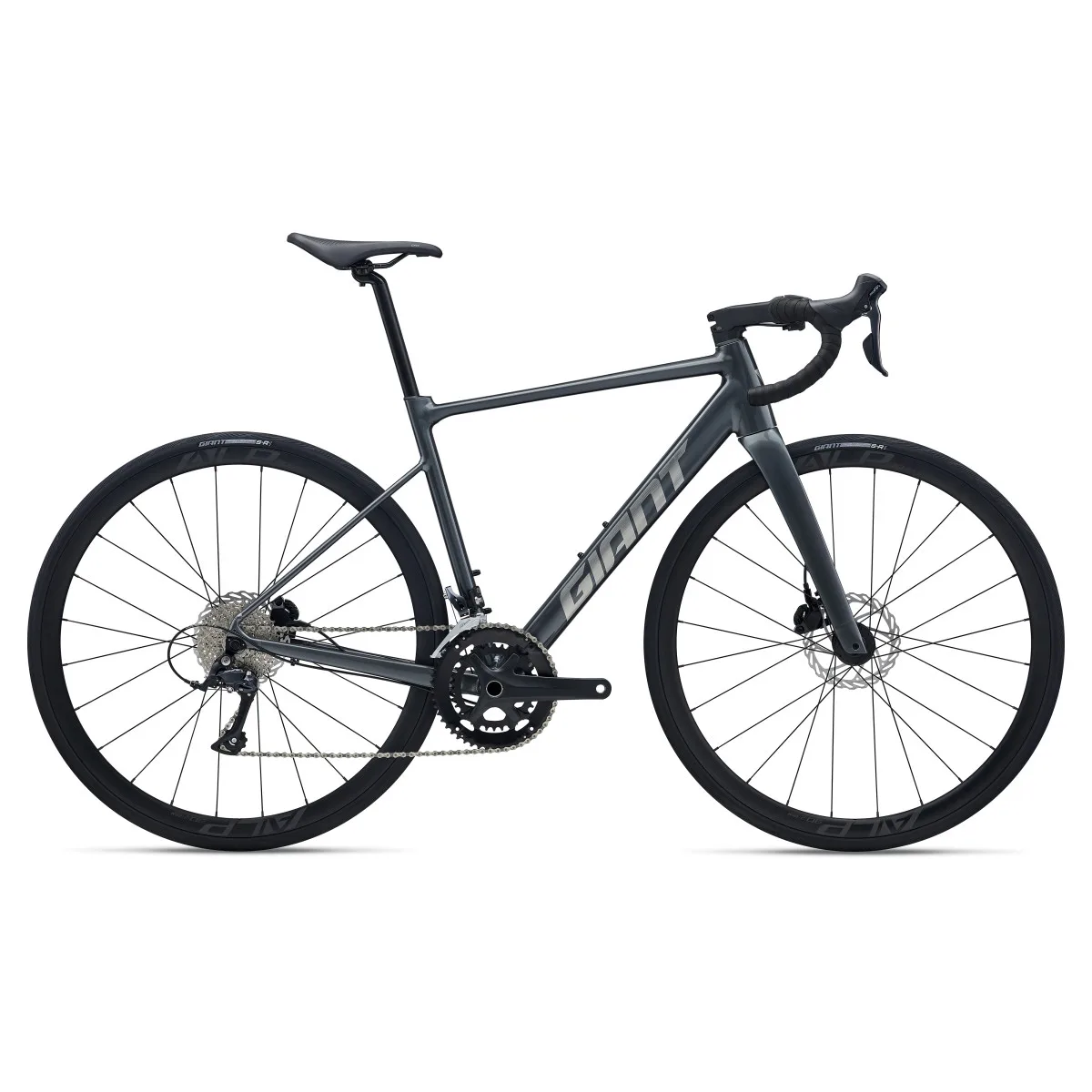
Giant
Same ALUXX SL frame as Contend SL 1; best frame in segment at lower spec
View on Giant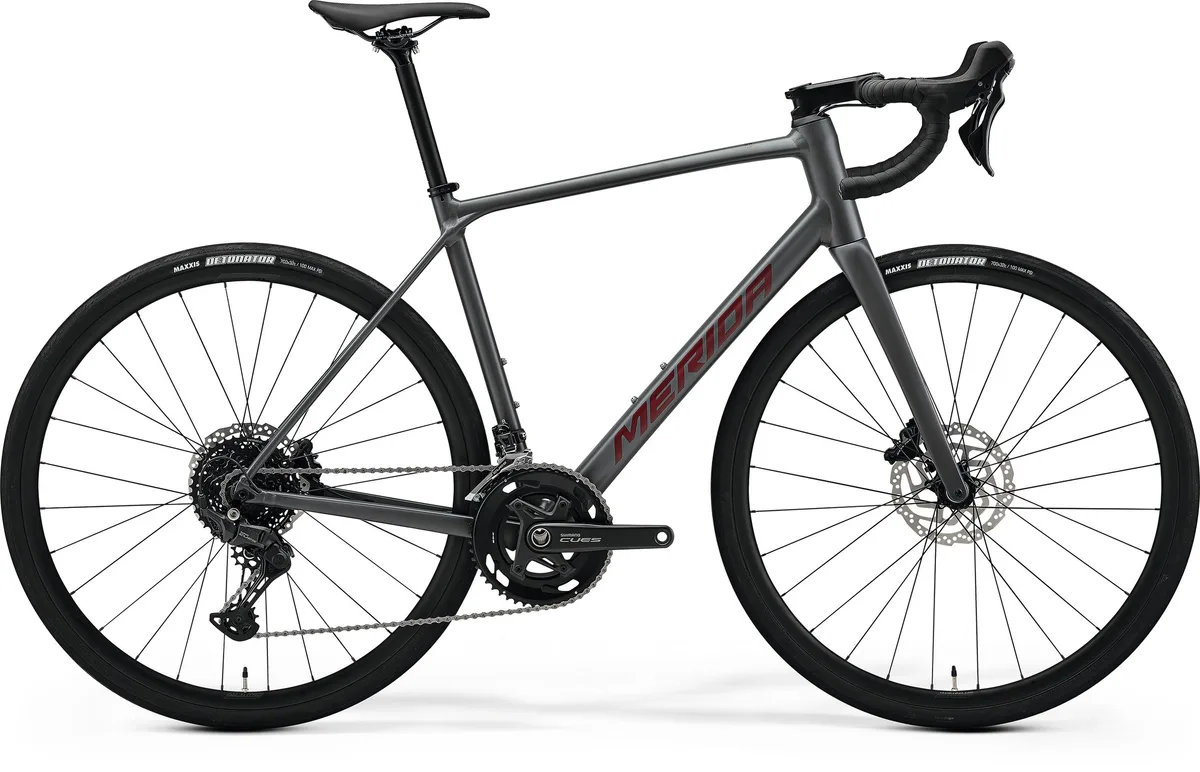
Merida
Race geometry; carbon fork; strong climber at the price
View on Merida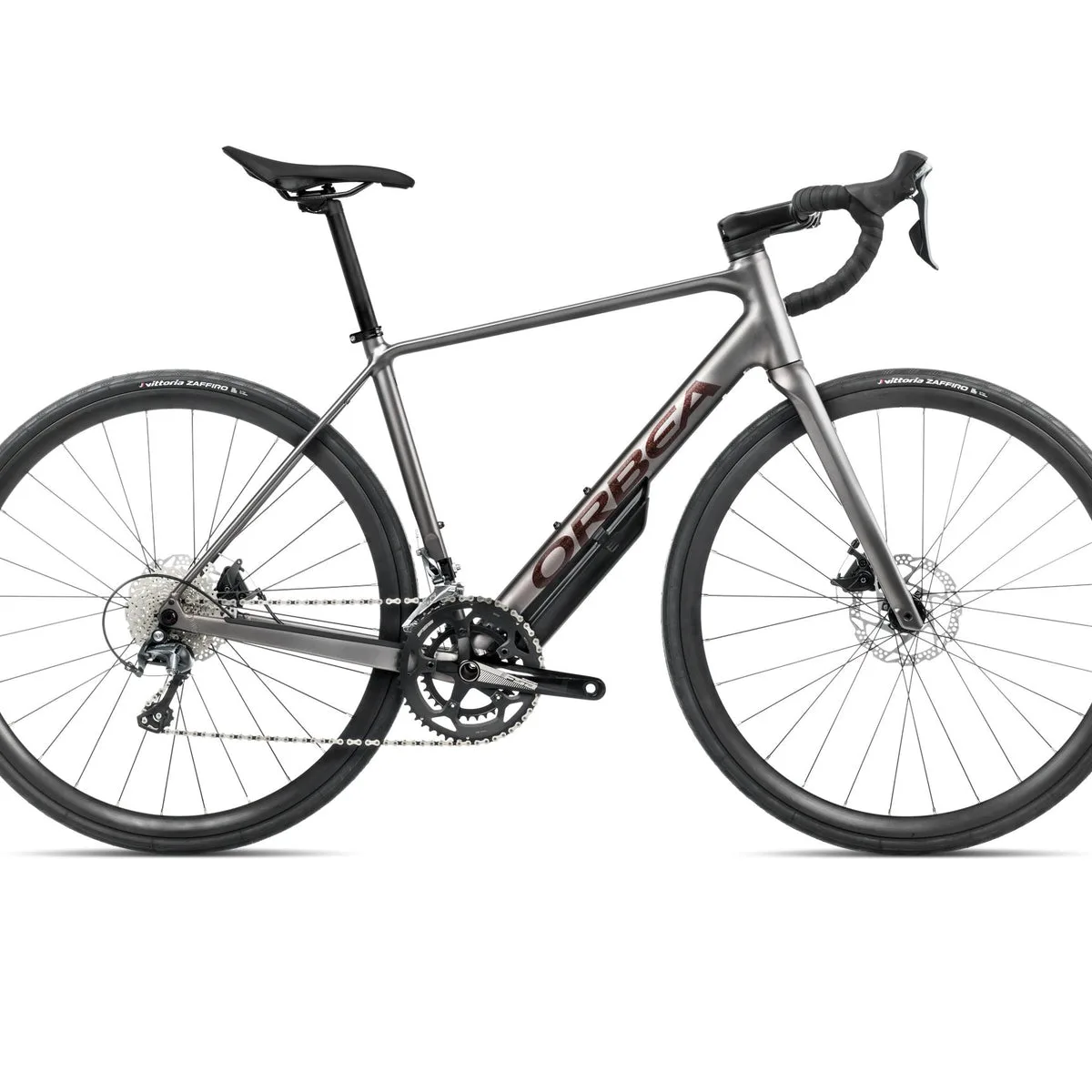
Orbea
Hydroformed triple-butted alloy; MyO customization; lifetime warranty
View on Orbea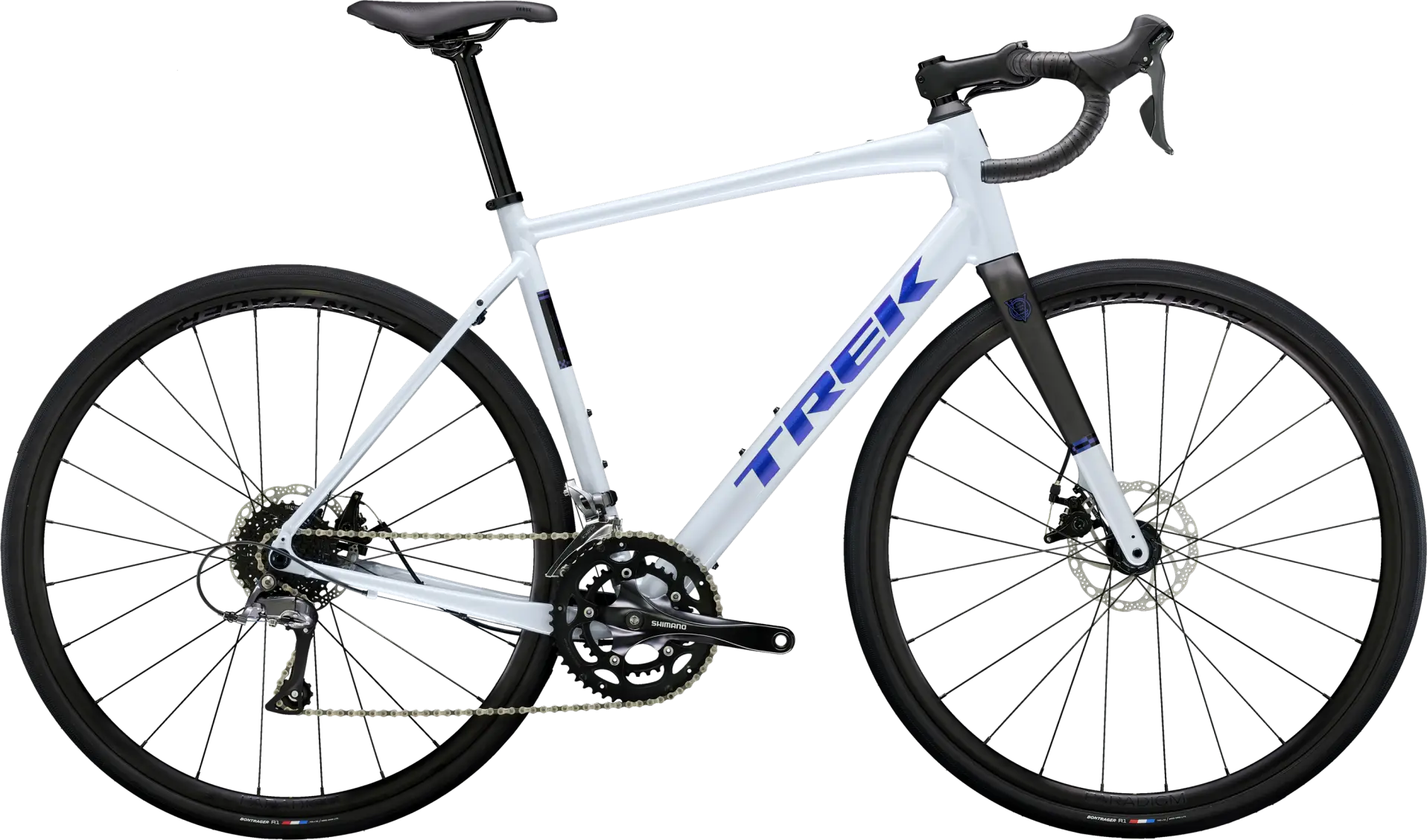
Trek
BikeRadar 2024 Budget Road Bike of the Year; best upgrade foundation
View on Trek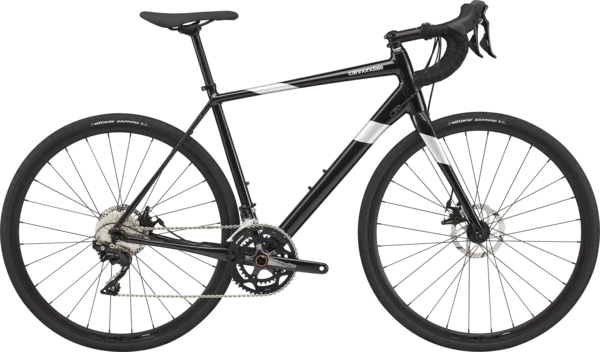
Cannondale
Previous-gen 11-speed 105; hunt for dealer closeout stock
View on Cannondale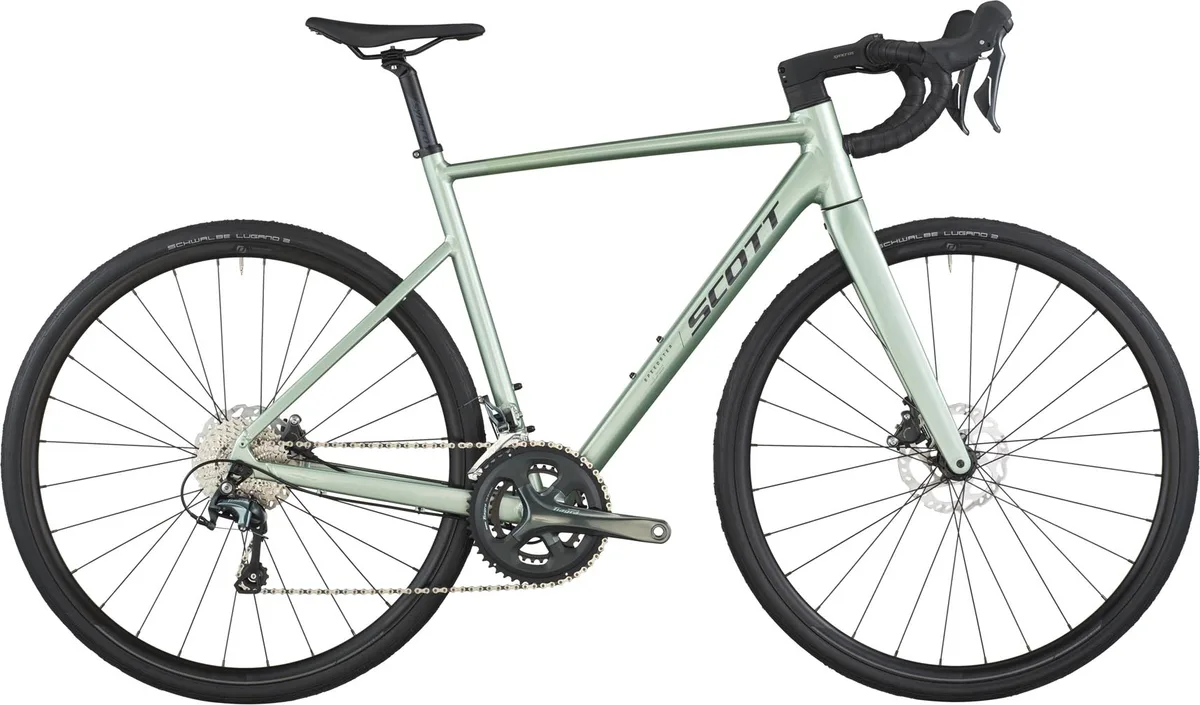
Scott
Fully integrated cable routing; sportier geometry; carbon fork
View on Scott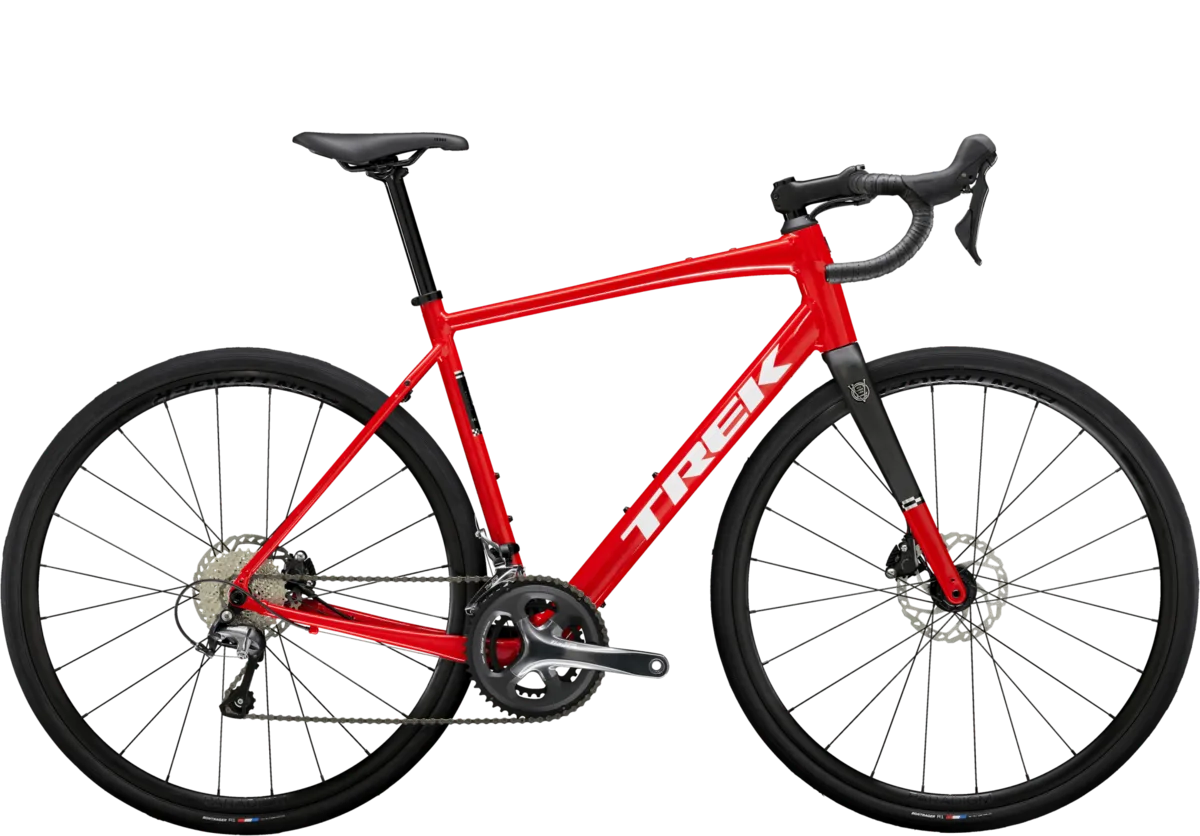
Trek
Carbon fork; 38mm clearance; 8 sizes; smoothest ride in Tiagra tier
View on Trek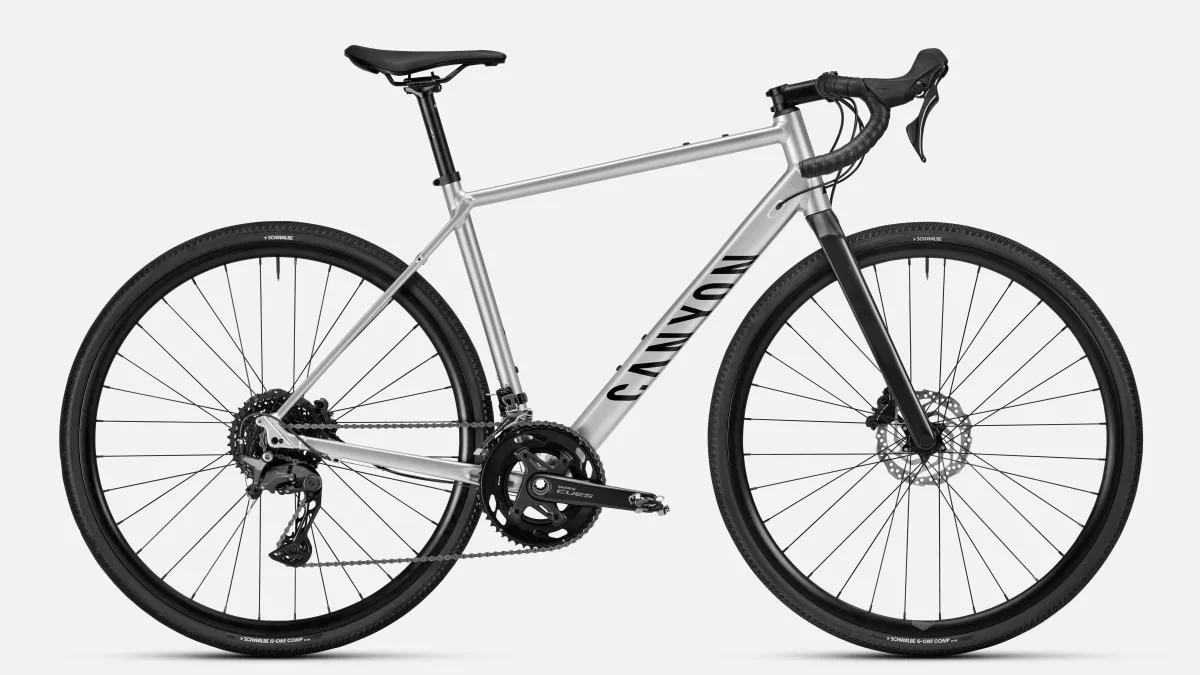
Canyon
40mm tire clearance; carbon fork; fender and rack mounts; most versatile at this price
View on Canyon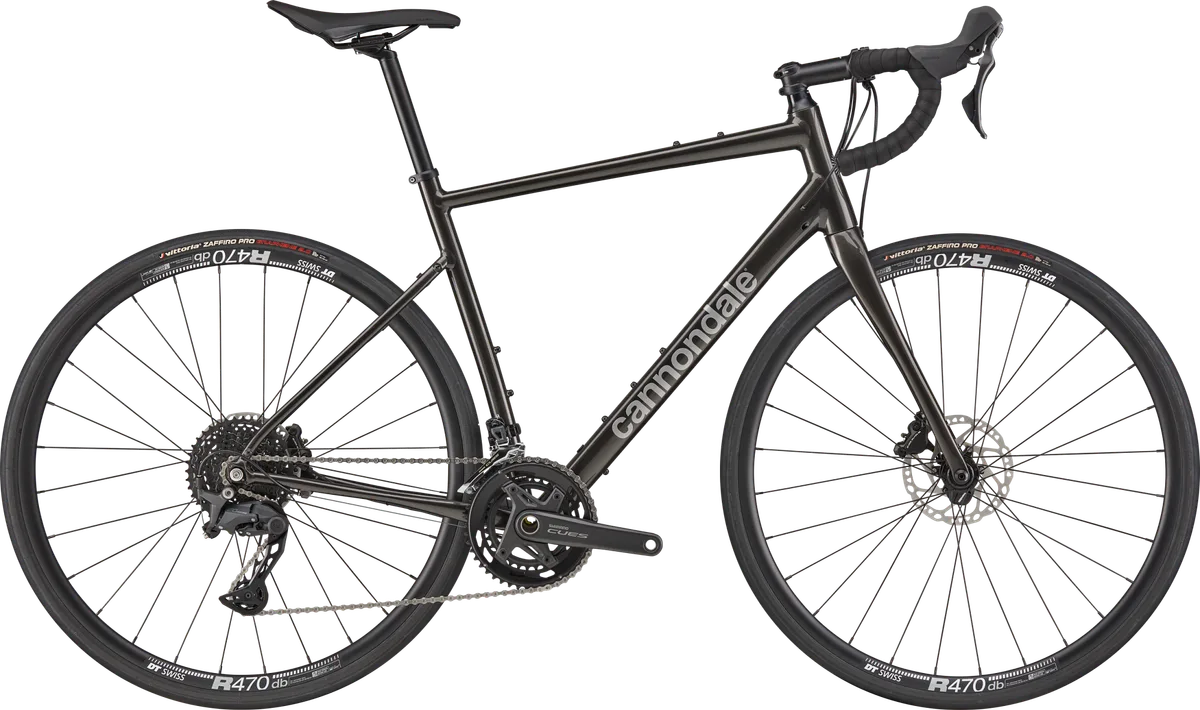
Cannondale
SmartForm C1 alloy; DT Swiss R470 wheels; fender mounts
View on Cannondale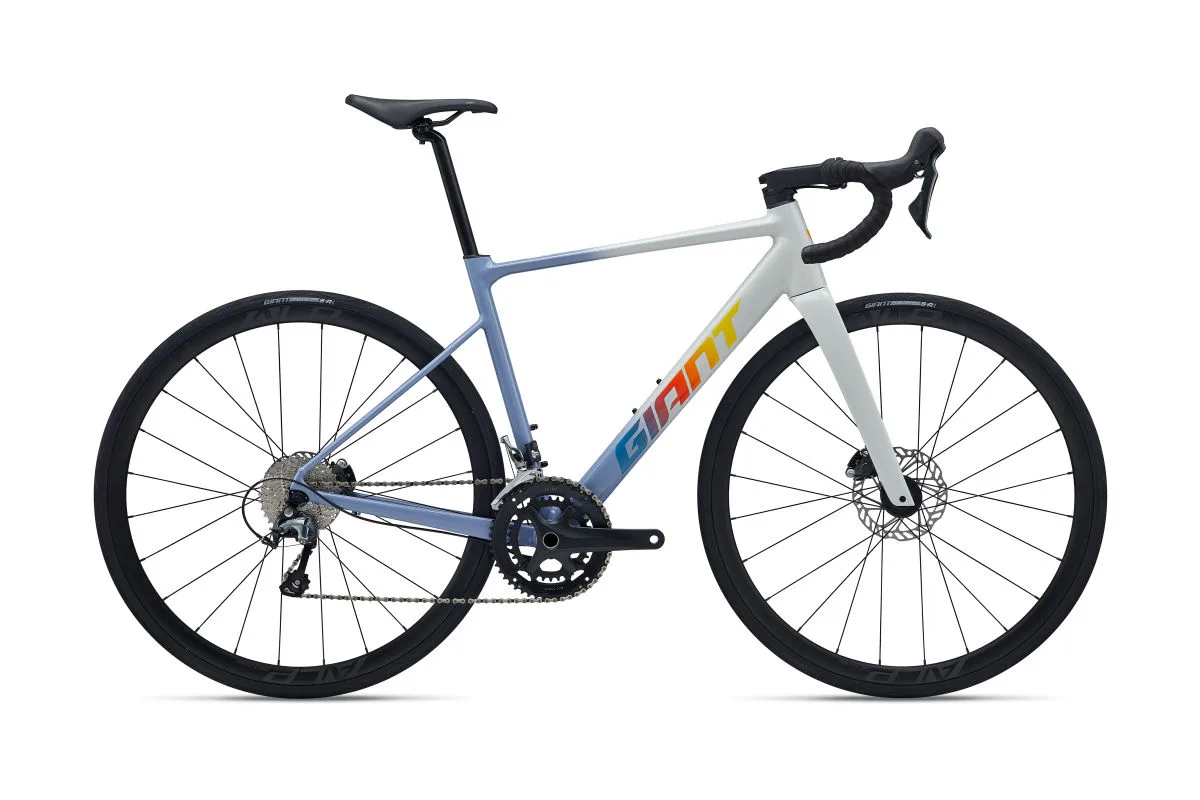
Giant
ALUXX SL 6011 alloy; D-Fuse composite seatpost; Cycling Weekly group test winner
View on GiantAluminum frames dominate this tier, and they are not a compromise. Modern hydroformed aluminum is stiff, light enough to ignore (most frames here sit within a half-kilogram of each other), and better at shrugging off curbs, gravel, and winter grit than carbon at the same price. Carbon forks come standard on nearly every bike here, which is where the compliance and front-end damping come from.
Groupset choice is the meaningful variable. Shimano Claris (8-speed) and Sora (9-speed) sit at the bottom of the range and work fine for first-road-bike riders who want reliability. Shimano Tiagra (10-speed) adds a gear and sharper shifting. At the top of this tier you start to see Shimano CUES (a new mixed road/gravel group with wide-range cassettes) and even entry Shimano 105 R7100 on a handful of bikes — that last jump is the biggest single upgrade available under $1,500.
Geometry here leans endurance — longer head tubes, shorter reach, slacker head angles. That is not a downgrade from race geometry; it is a deliberate choice for riders who want to be comfortable on three-hour rides. If you want to race crits, the under-$1,500 race picks are smaller in number and called out explicitly in the list. Everything else is built to be ridden far, not just fast.
Best Endurance Road Bikes
If you want a bike built for long rides rather than a price ceiling, the endurance list focuses on comfort, tire clearance, and all-day geometry.
Best Aluminum Road Bikes
Every bike under $1,500 is aluminum. The full aluminum list adds higher-tier 105-equipped aluminum bikes that sit just above this price tier.