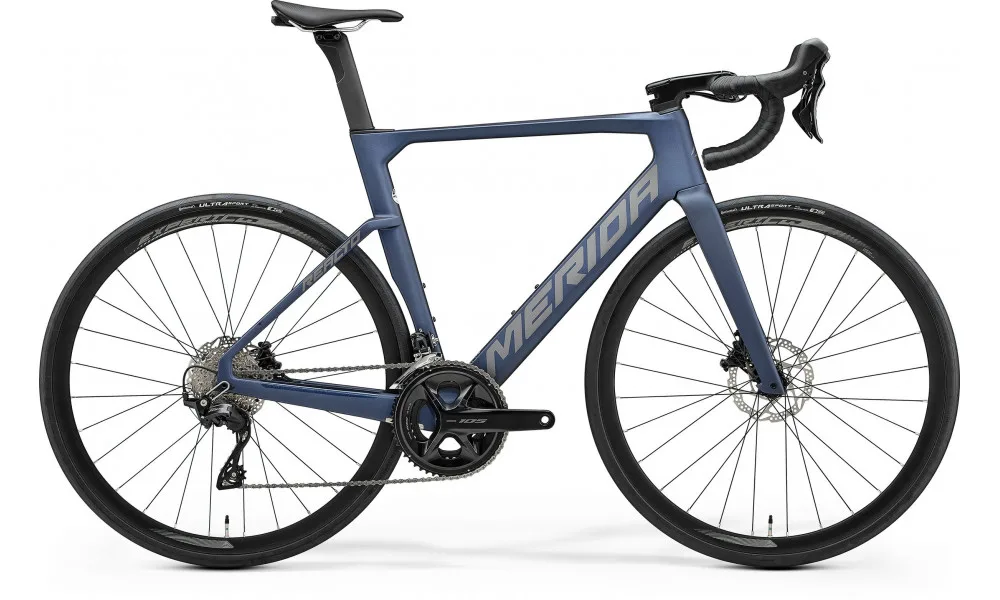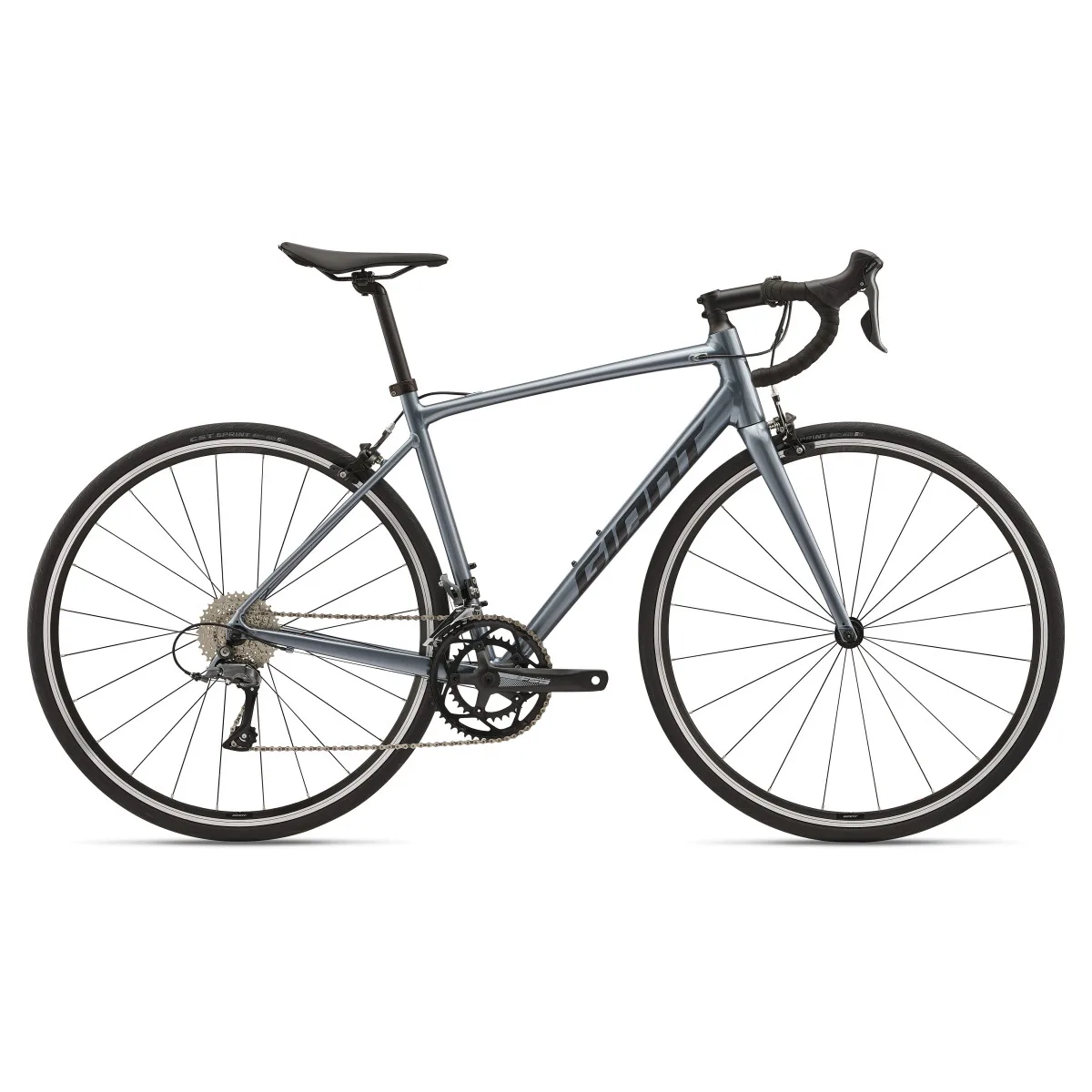
$850
Giant
Contend 2
~10.5 kg|CUES|32 mm
Endurance
Aluminum
One of the cheapest hydraulic disc road bikes from a major brand
View on GiantCompare
Endurance road bikes are the modern default. They borrow the carbon, discs, and shifting of a race bike but rotate the frame geometry so you can sit upright for six hours without your lower back going on strike. Twenty-six of the 42 bikes in our catalogue are endurance-geometry — the category has quietly taken over the sub-$3,000 market.
Giant
One of the cheapest hydraulic disc road bikes from a major brand
View on Giant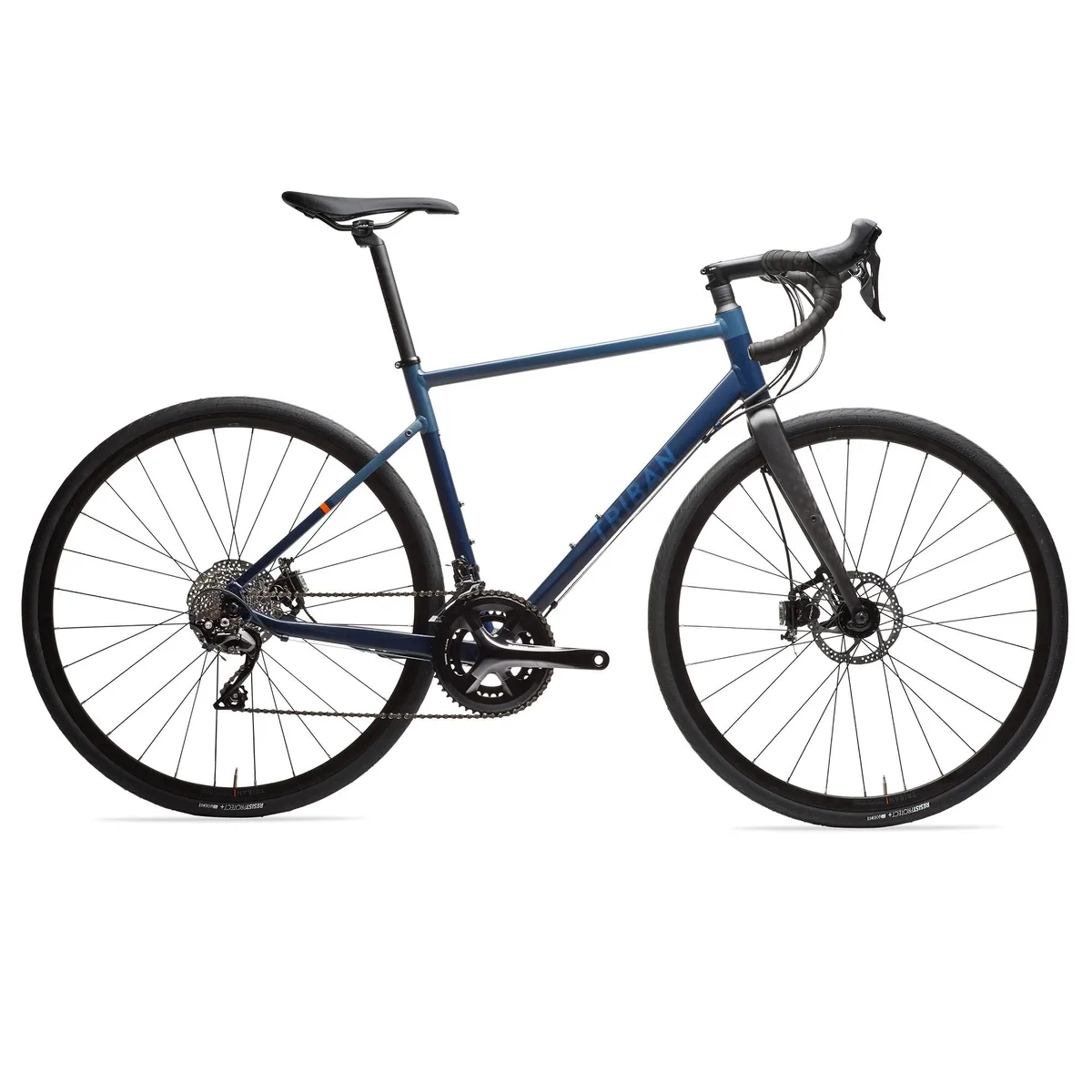
Triban
Shimano 105 shifting under $1,000; TRP HY/RD mech-hydraulic brakes
View on Triban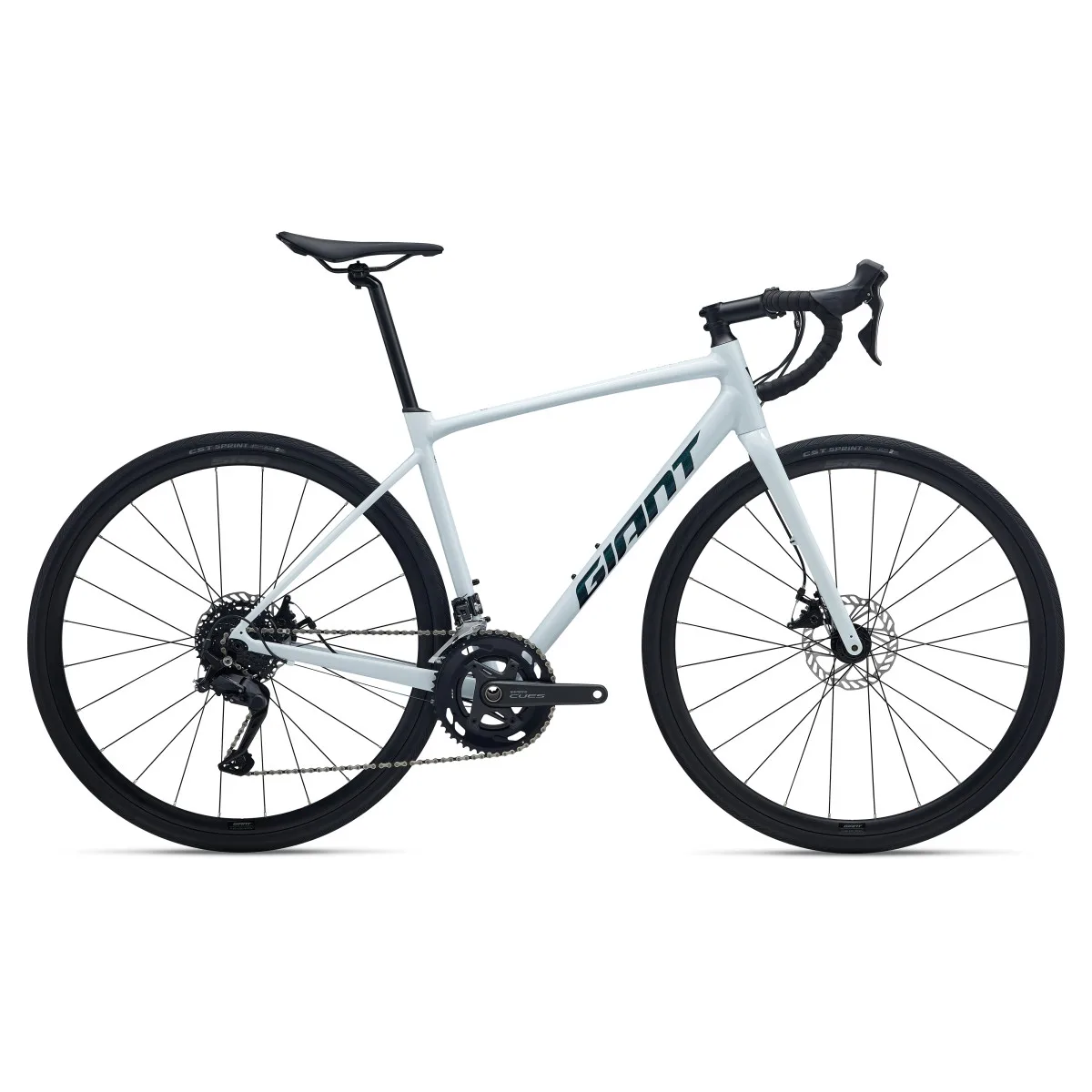
Giant
D-Fuse seatpost; 38mm clearance; carbon fork; 12mm thru-axles
View on Giant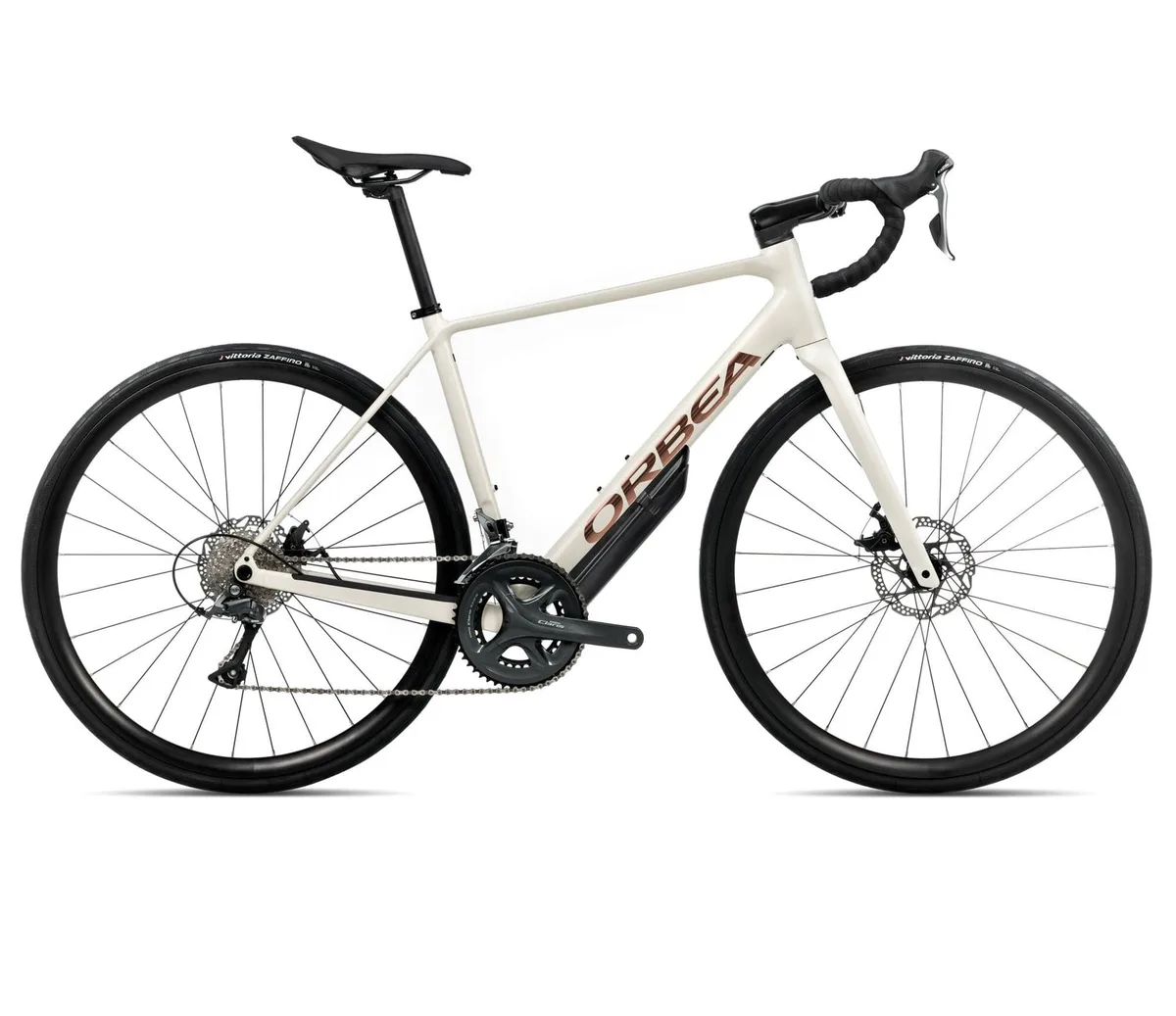
Orbea
Internal cable routing even at entry level; tubeless-ready; lifetime warranty
View on Orbea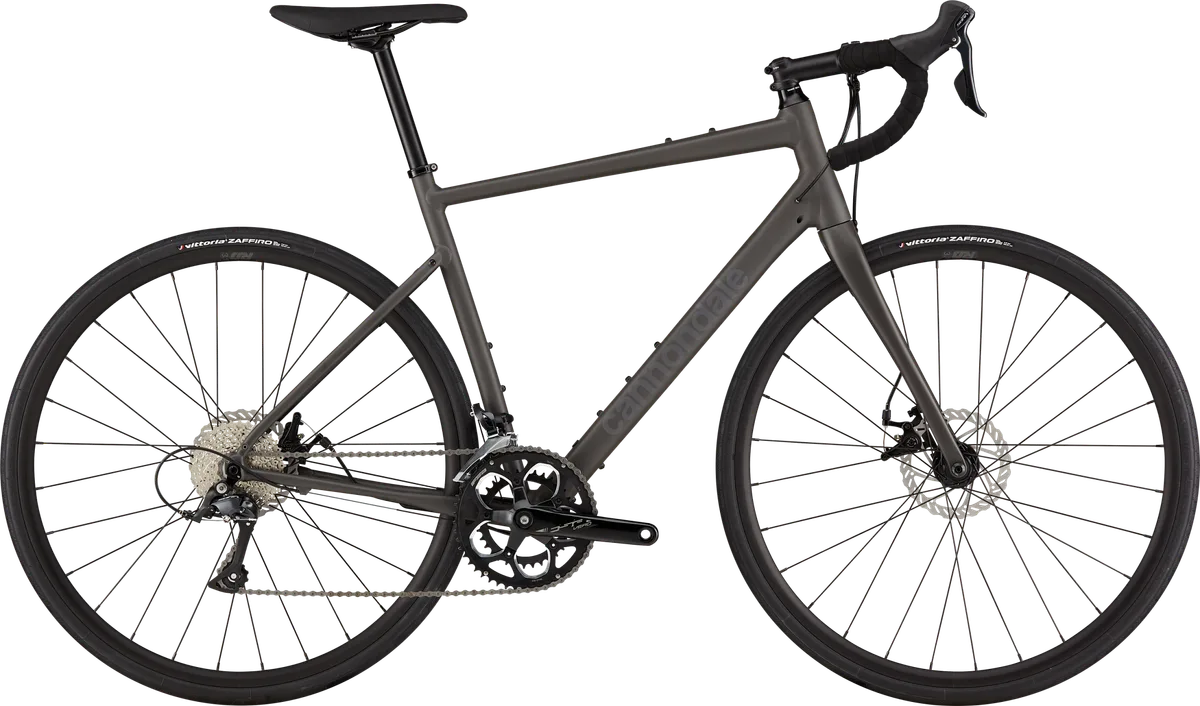
Cannondale
SmartForm C2 alloy; carbon fork; endurance geometry; Sora 9-speed
View on Cannondale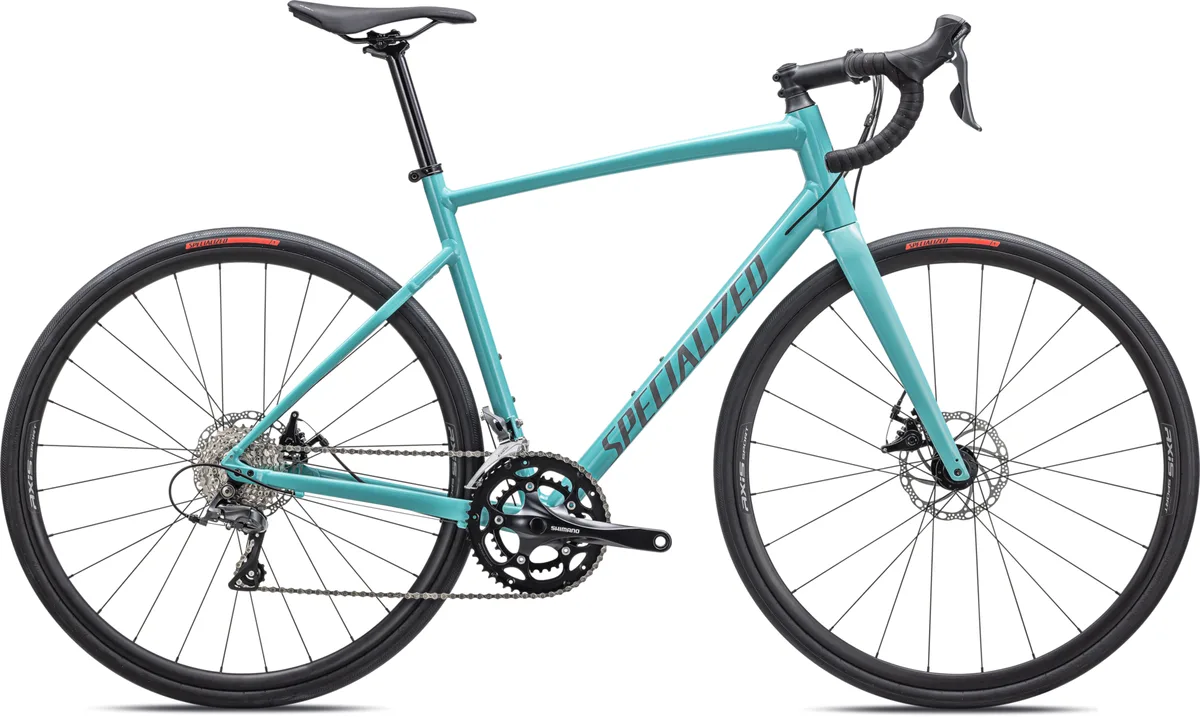
Specialized
E5 Premium alloy; lightest entry-level frame in class; full carbon fork
View on Specialized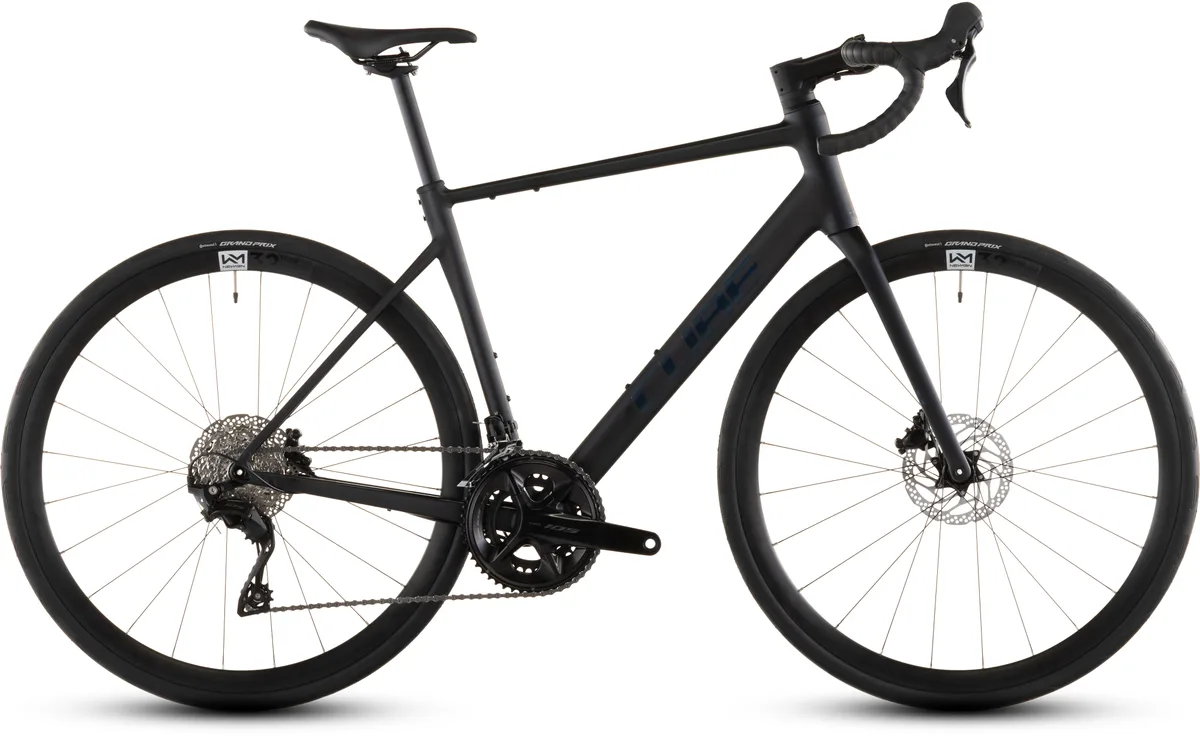
Cube
Fast and lively handling; smooth welds; good climbing weight
View on Cube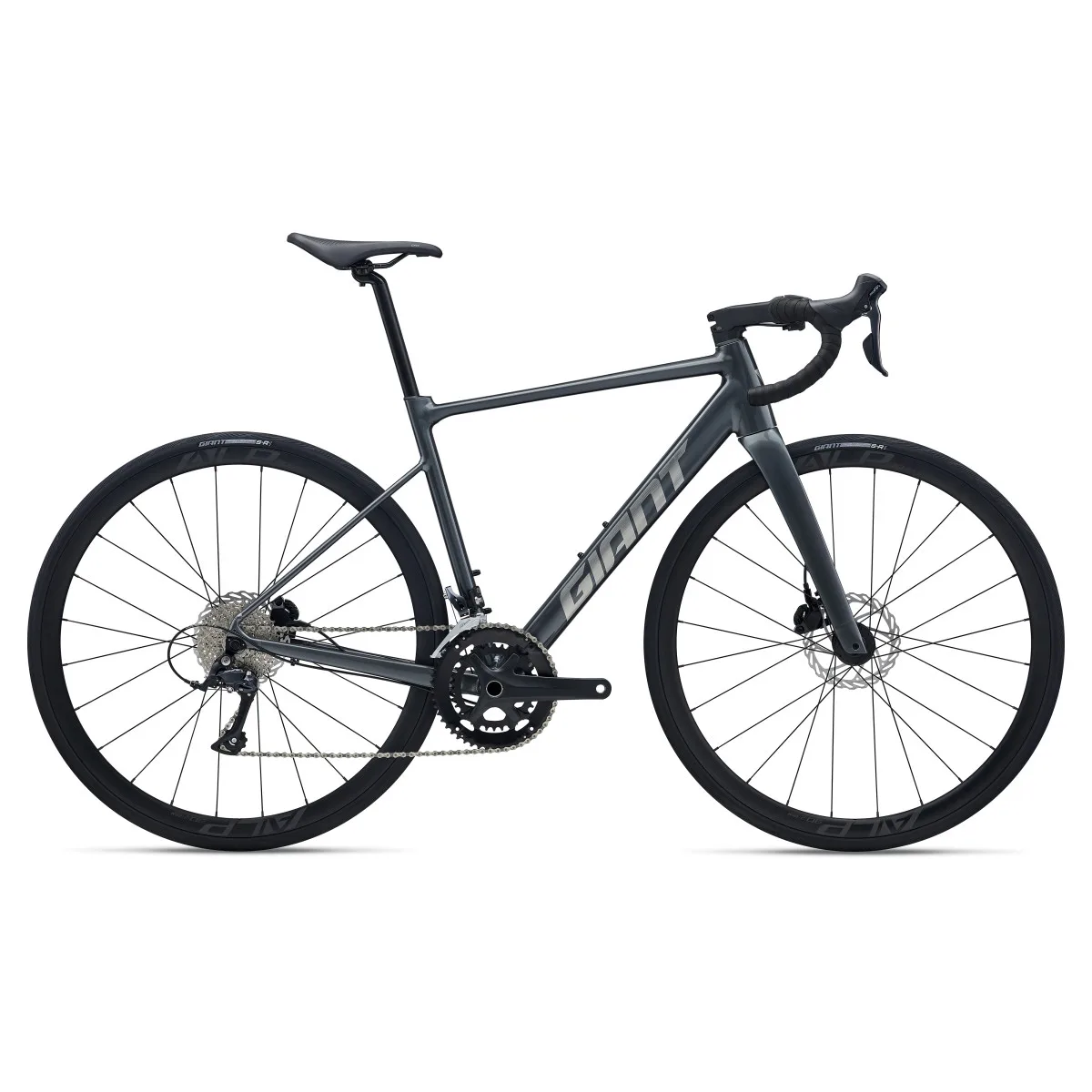
Giant
Same ALUXX SL frame as Contend SL 1; best frame in segment at lower spec
View on Giant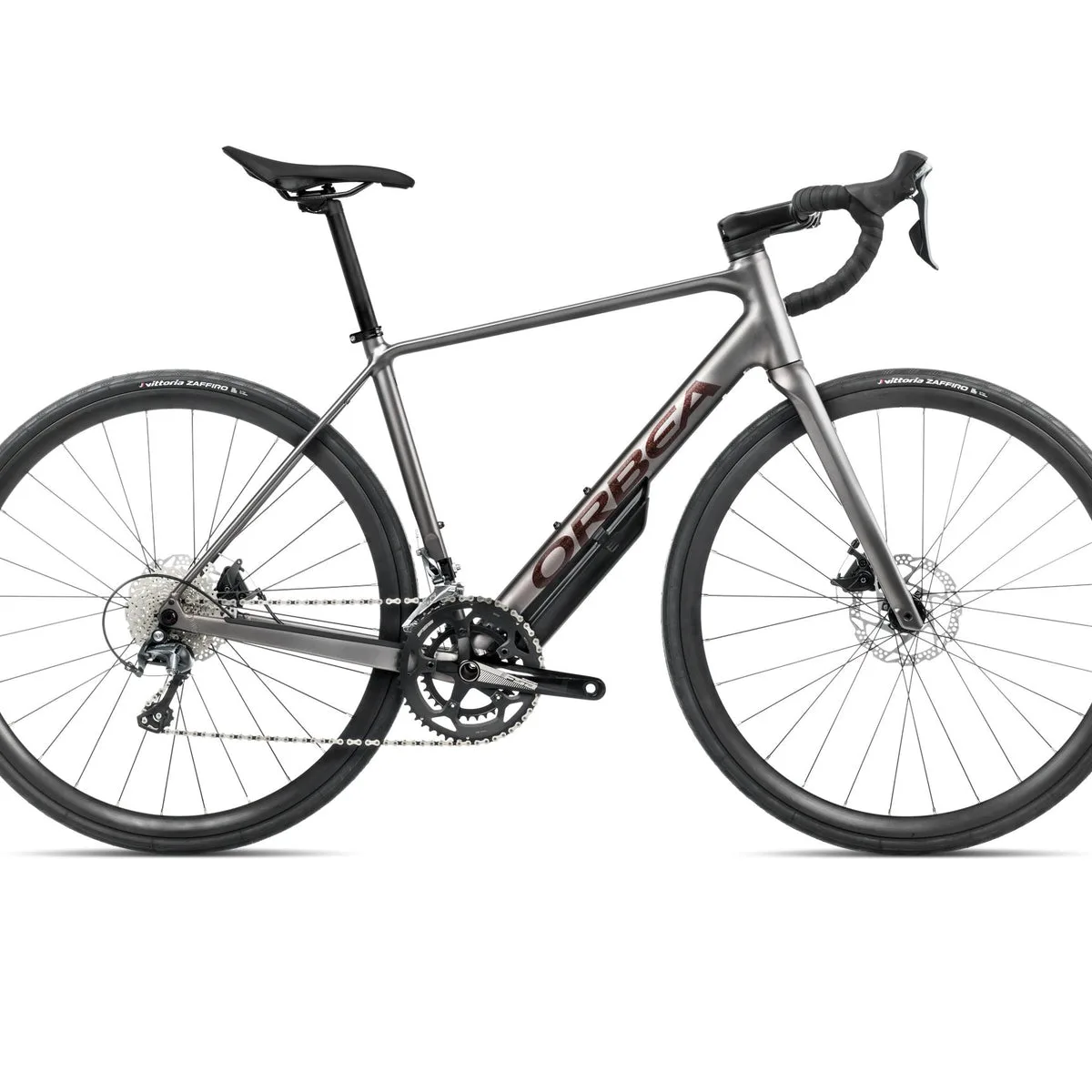
Orbea
Hydroformed triple-butted alloy; MyO customization; lifetime warranty
View on Orbea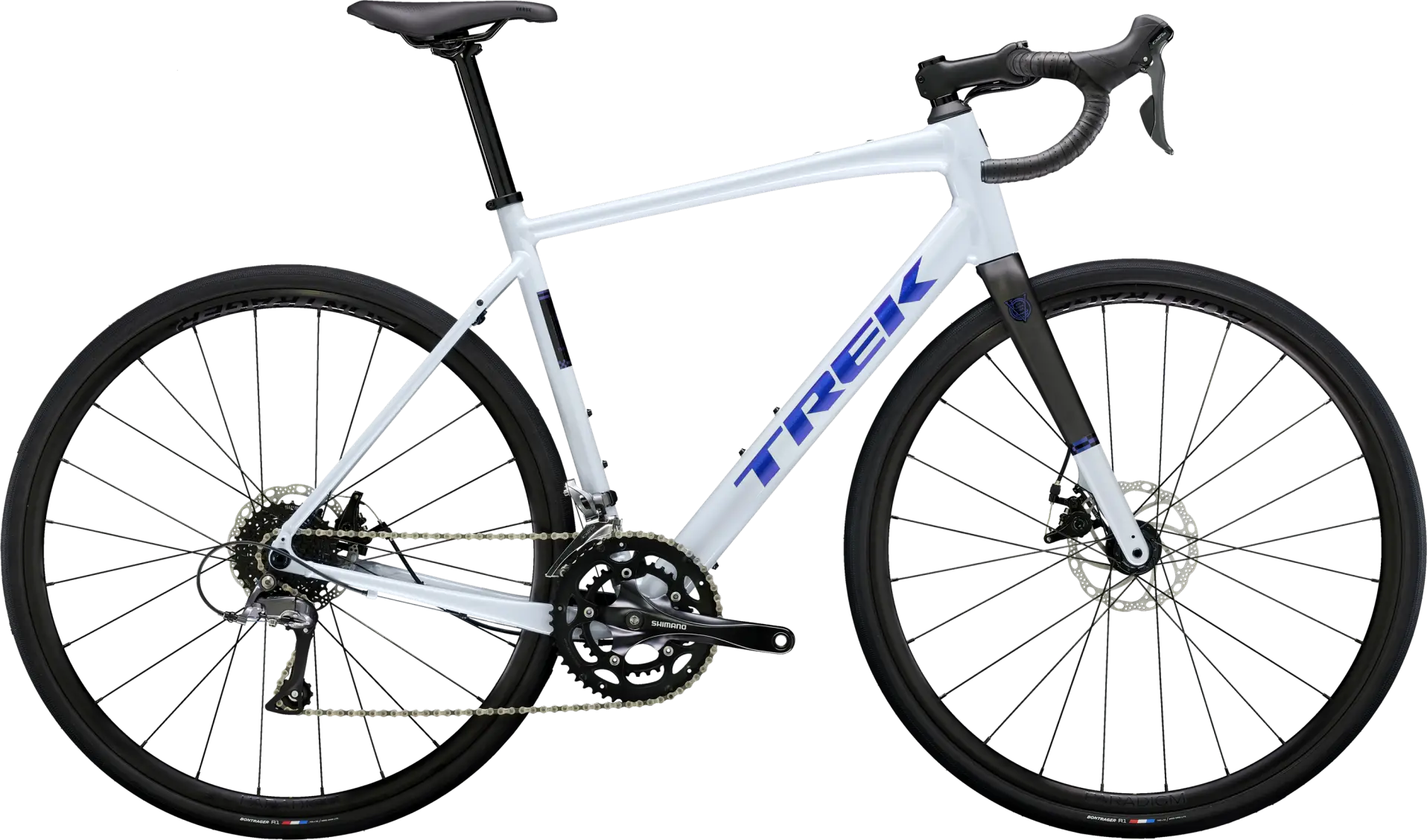
Trek
BikeRadar 2024 Budget Road Bike of the Year; best upgrade foundation
View on Trek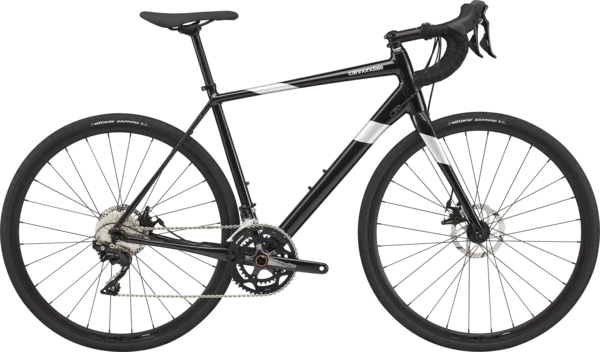
Cannondale
Previous-gen 11-speed 105; hunt for dealer closeout stock
View on Cannondale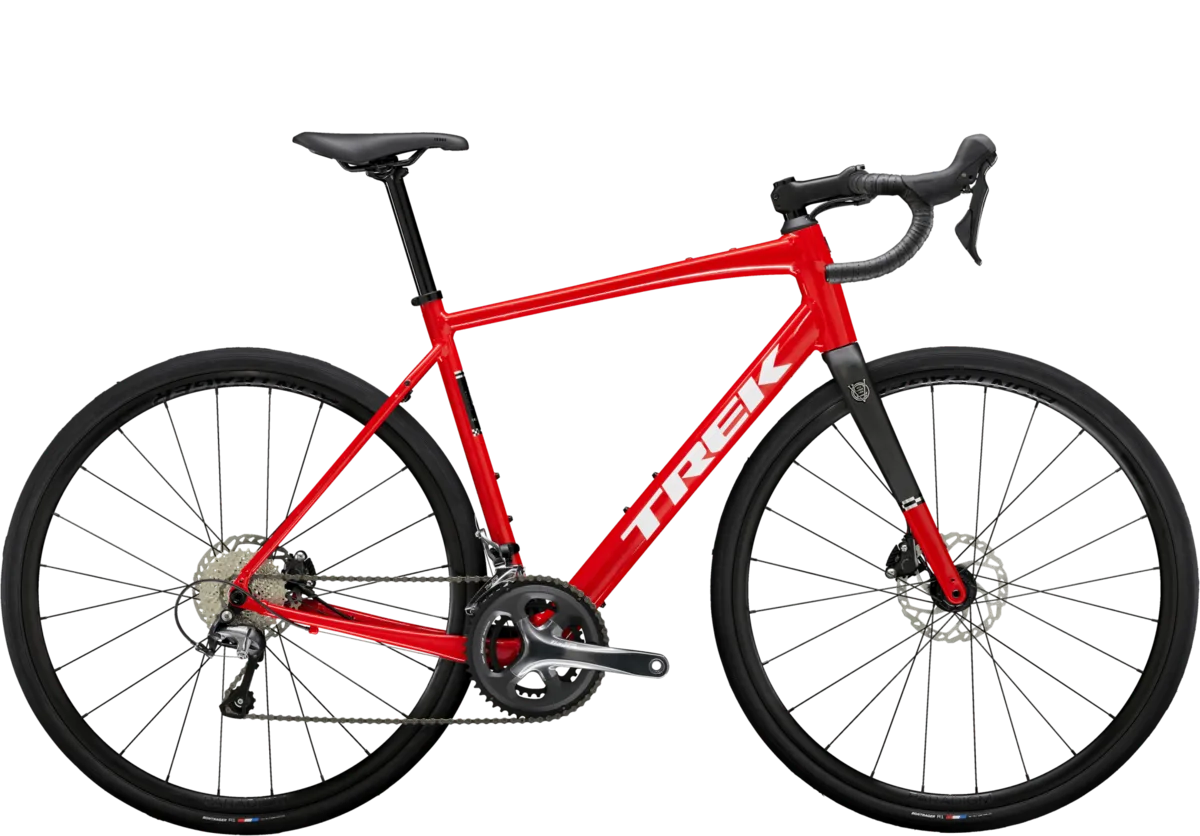
Trek
Carbon fork; 38mm clearance; 8 sizes; smoothest ride in Tiagra tier
View on Trek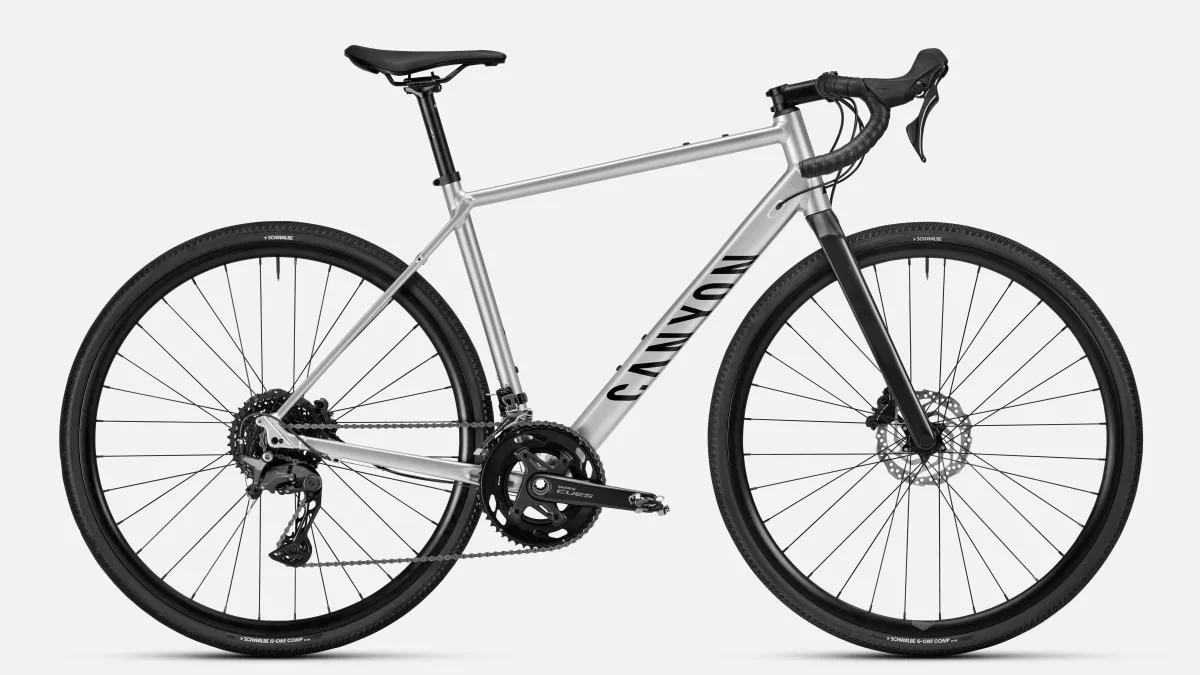
Canyon
40mm tire clearance; carbon fork; fender and rack mounts; most versatile at this price
View on Canyon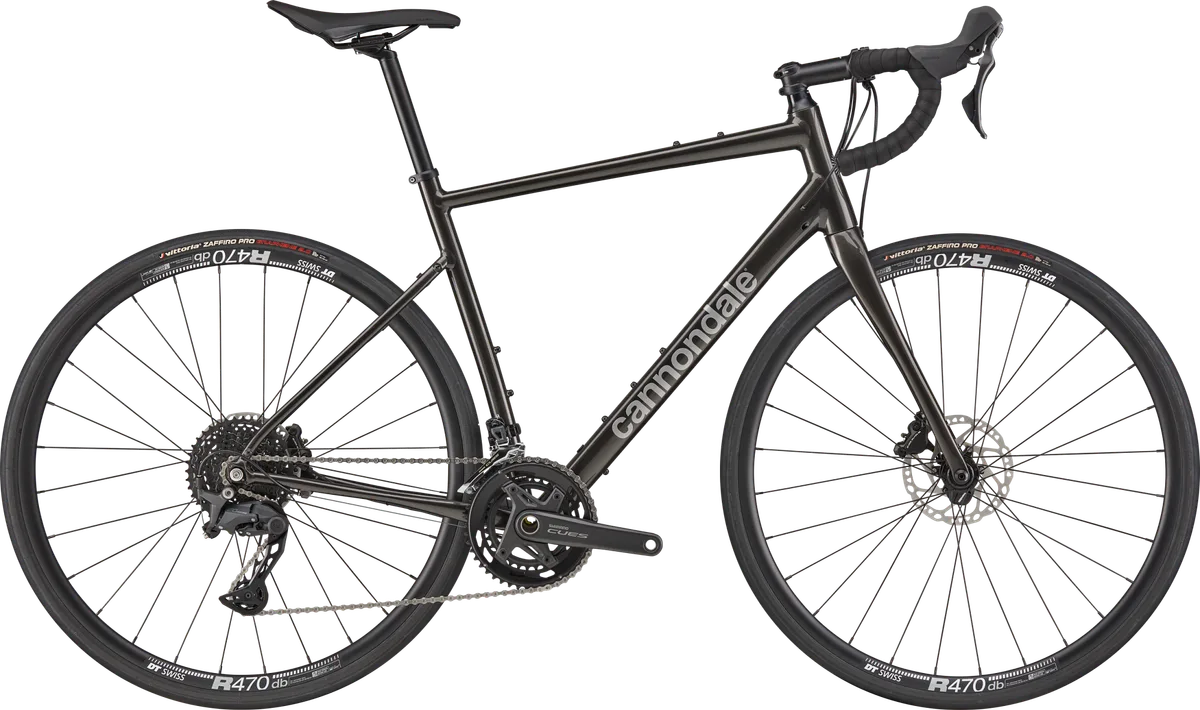
Cannondale
SmartForm C1 alloy; DT Swiss R470 wheels; fender mounts
View on Cannondale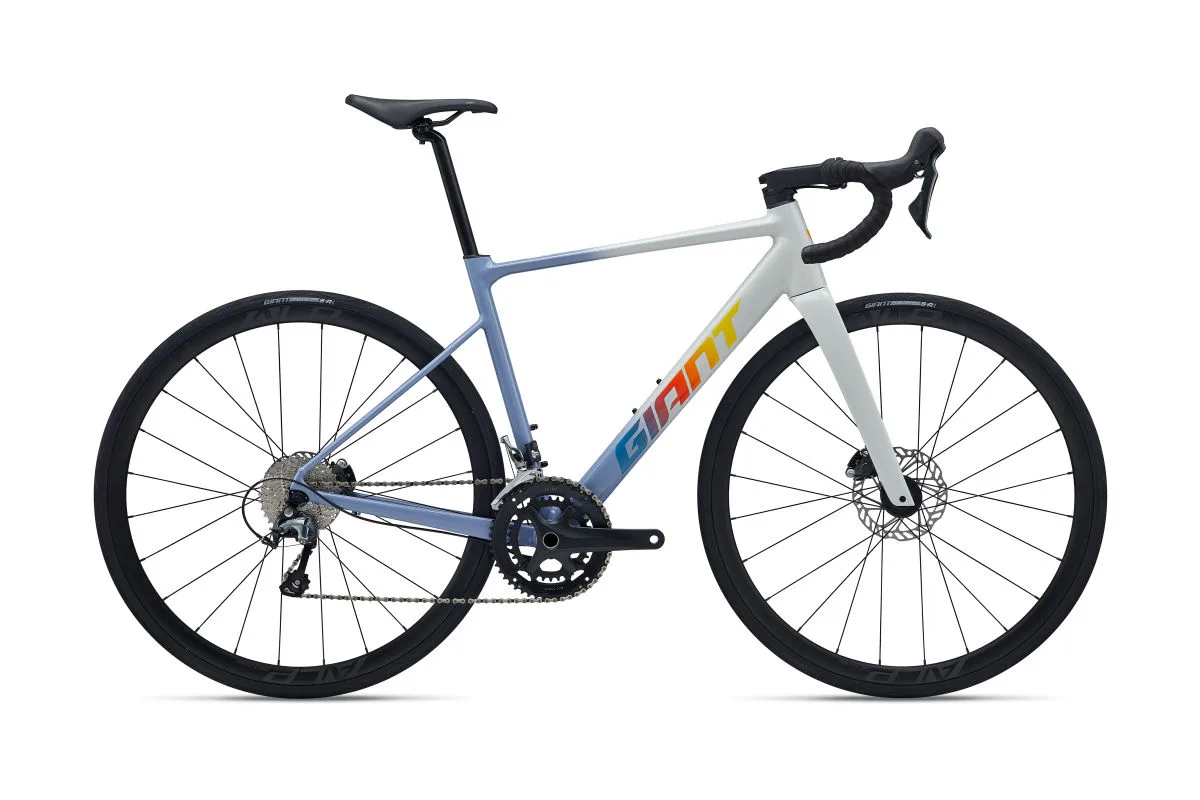
Giant
ALUXX SL 6011 alloy; D-Fuse composite seatpost; Cycling Weekly group test winner
View on Giant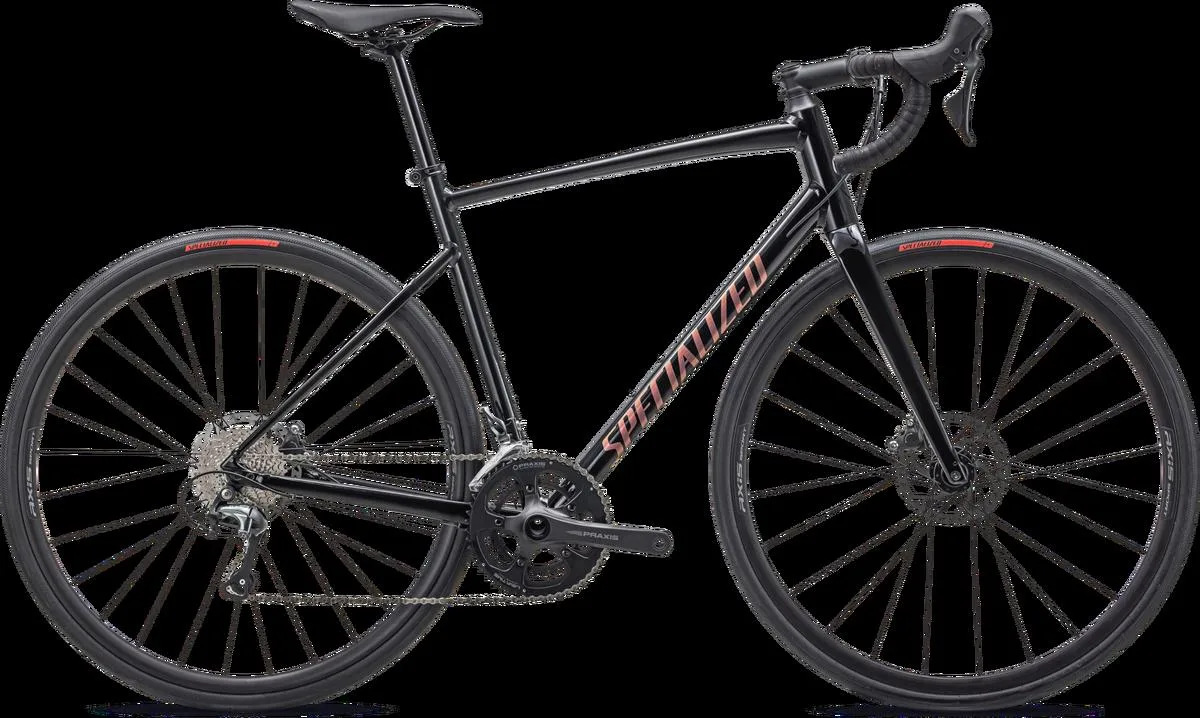
Specialized
Entry-level Tiagra 2×10; excellent starter road bike
View on Specialized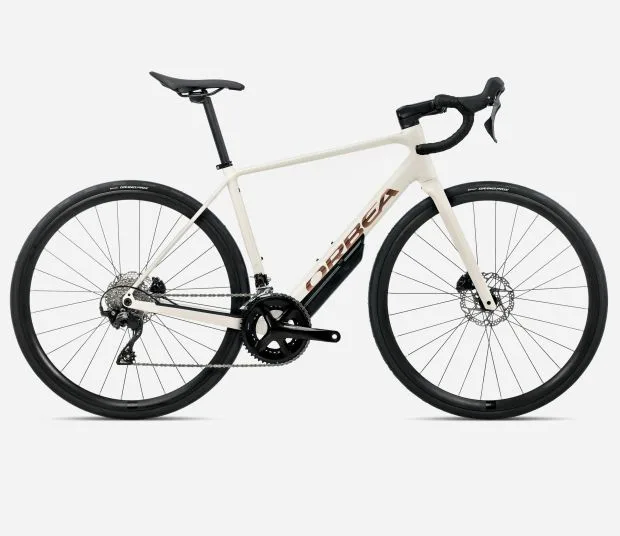
Orbea
Budget endurance aluminum with 105 mechanical
View on Orbea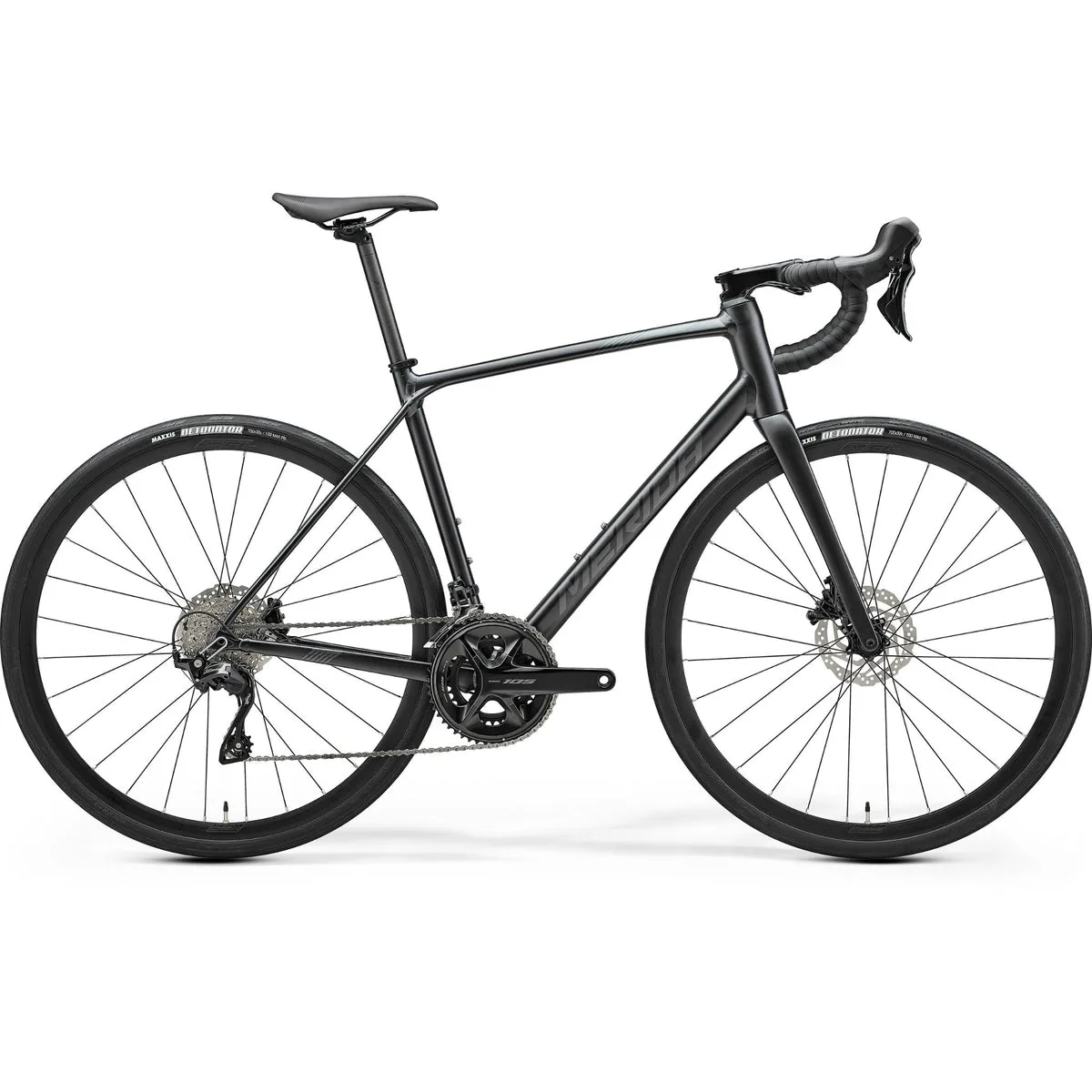
Merida
Budget 105-equipped endurance aluminum
View on Merida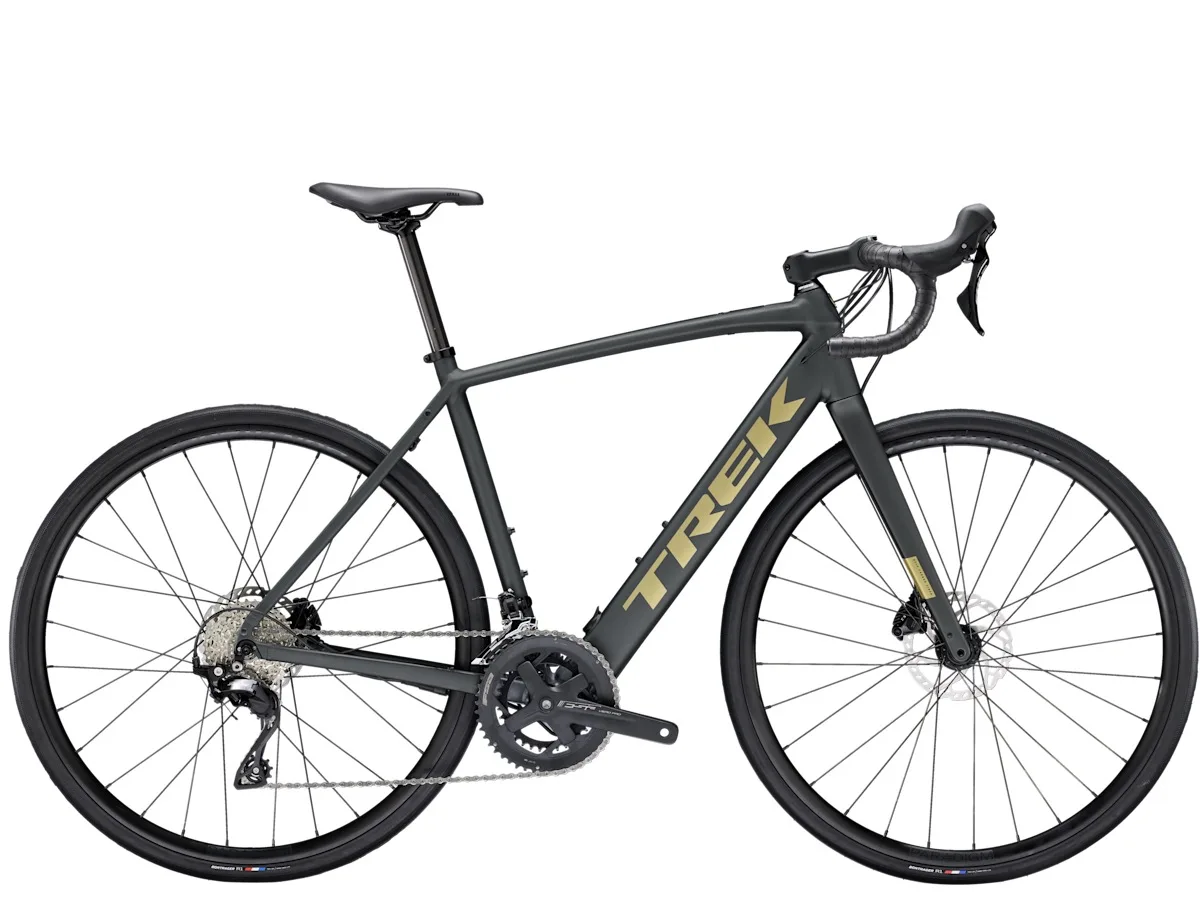
Trek
Endurance aluminum with 38mm clearance at $2,100
View on Trek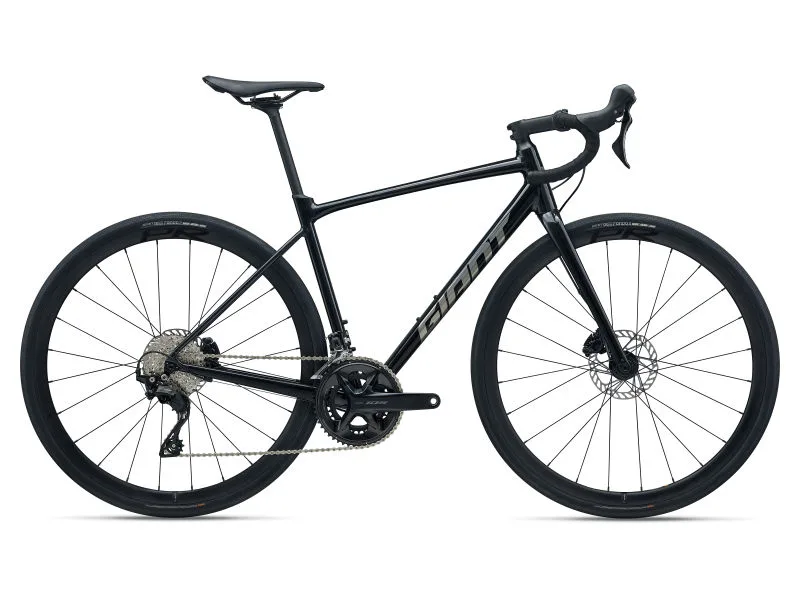
Giant
Endurance aluminum with 38mm clearance and 105 12-speed
View on Giant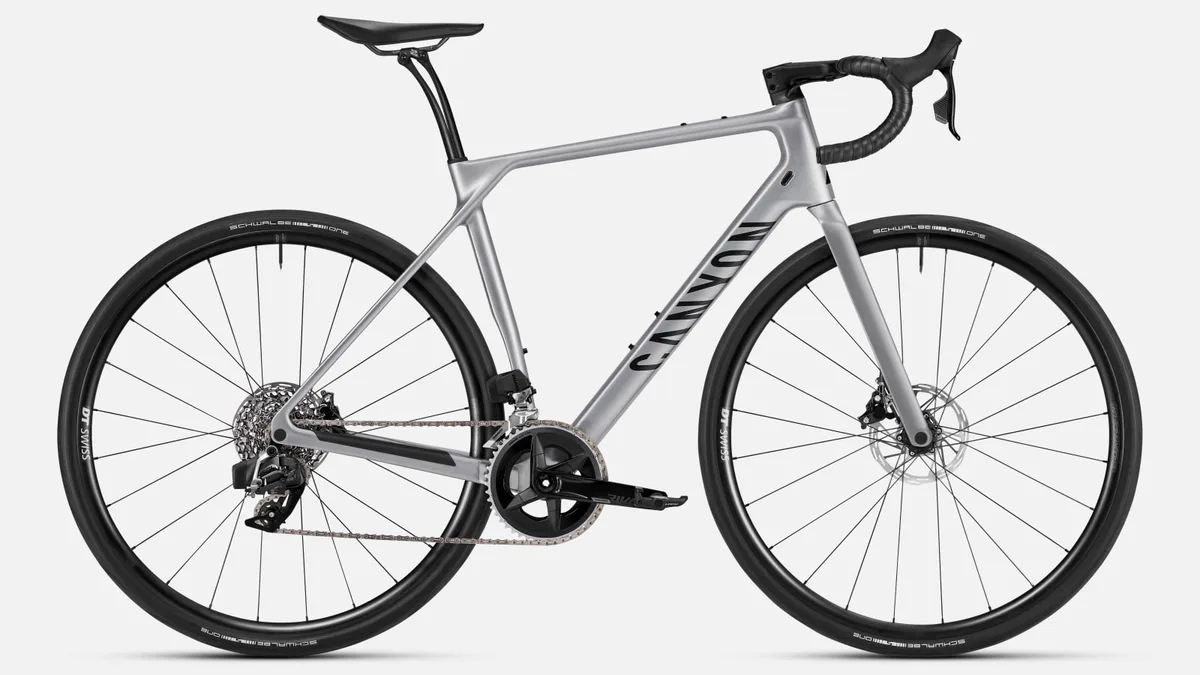
Canyon
Wireless electronic shifting under $3K; VCLS 2.0 seatpost
View on Canyon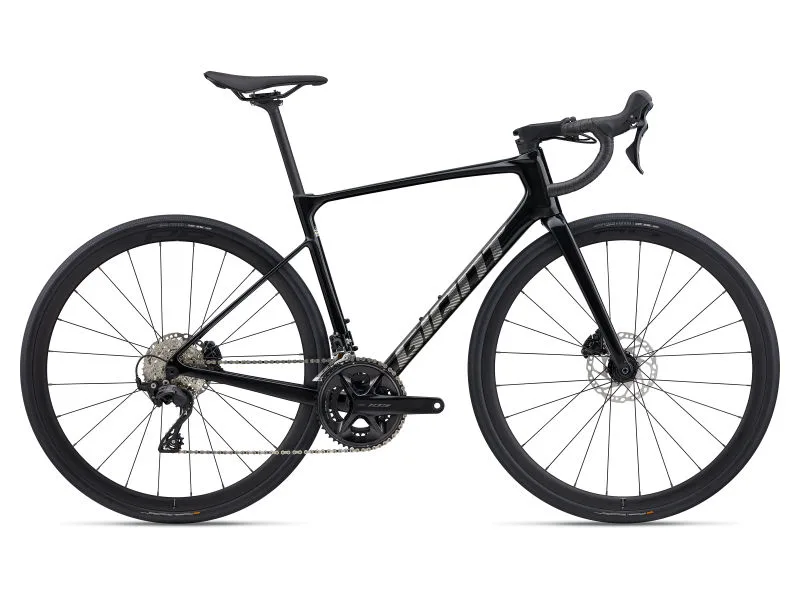
Giant
D-Fuse compliance system; BikeRadar Bike of the Year
View on Giant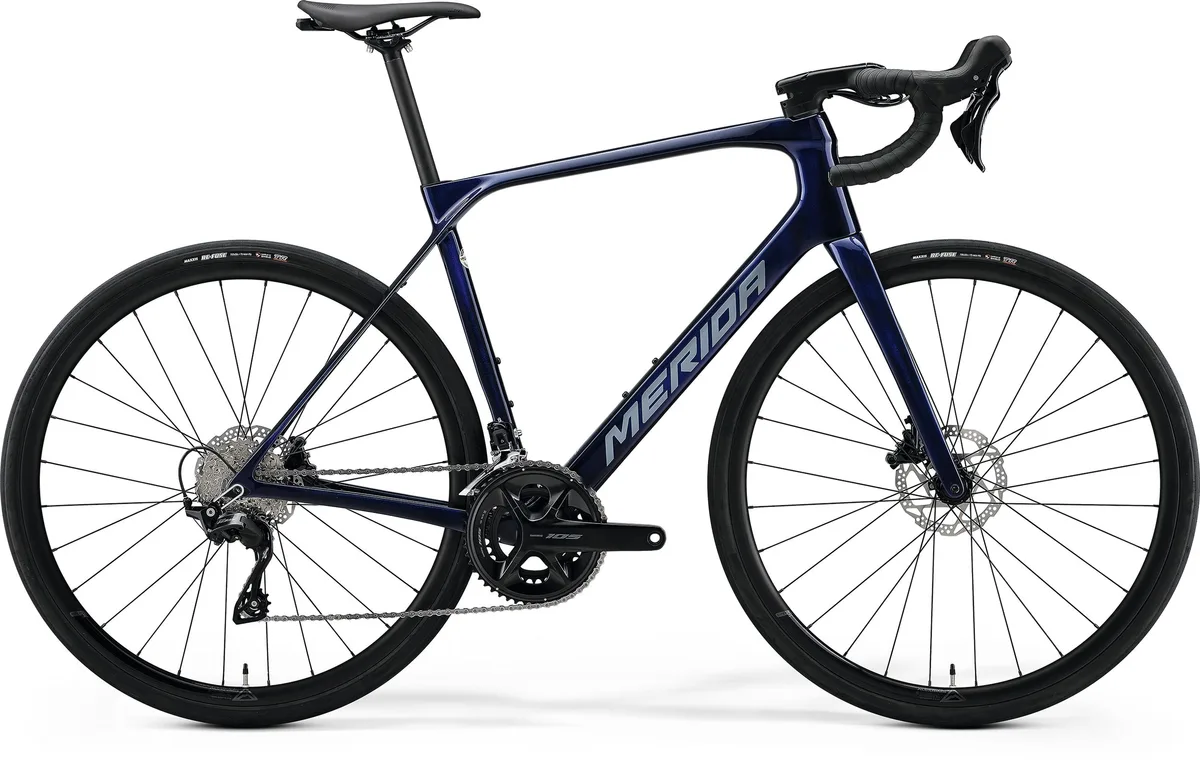
Merida
Disc brake cooling fins; mudguard compatible
View on Merida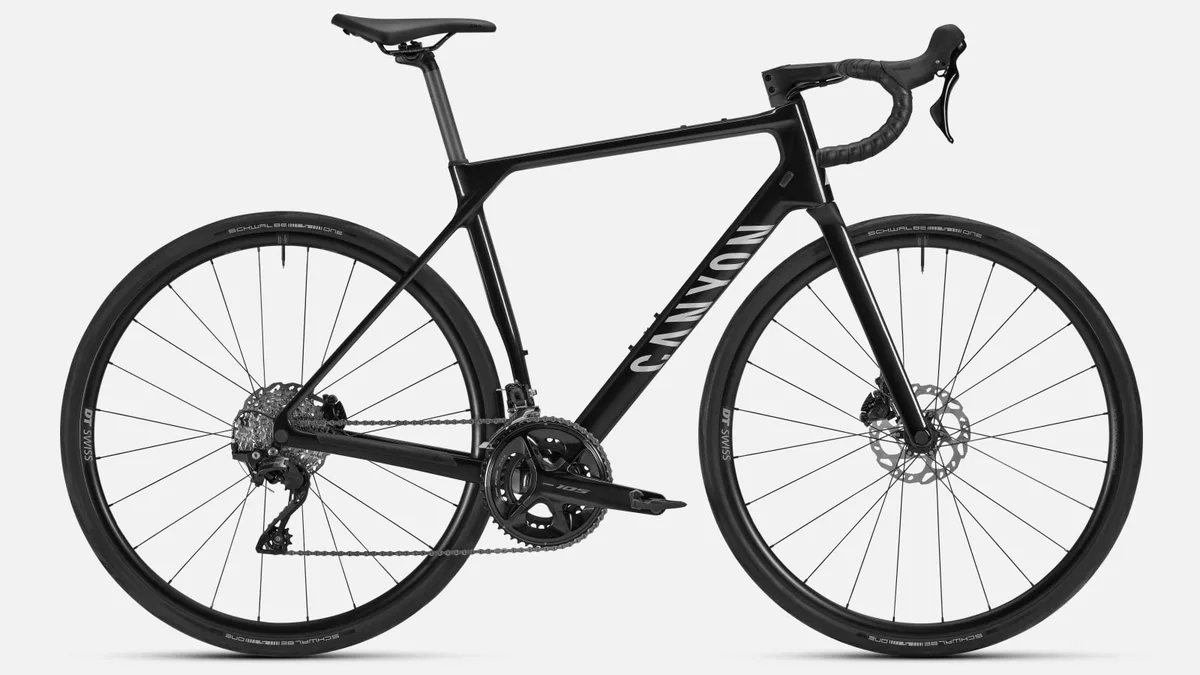
Canyon
VCLS 2.0 carbon leaf-spring seatpost; 8 sizes
View on Canyon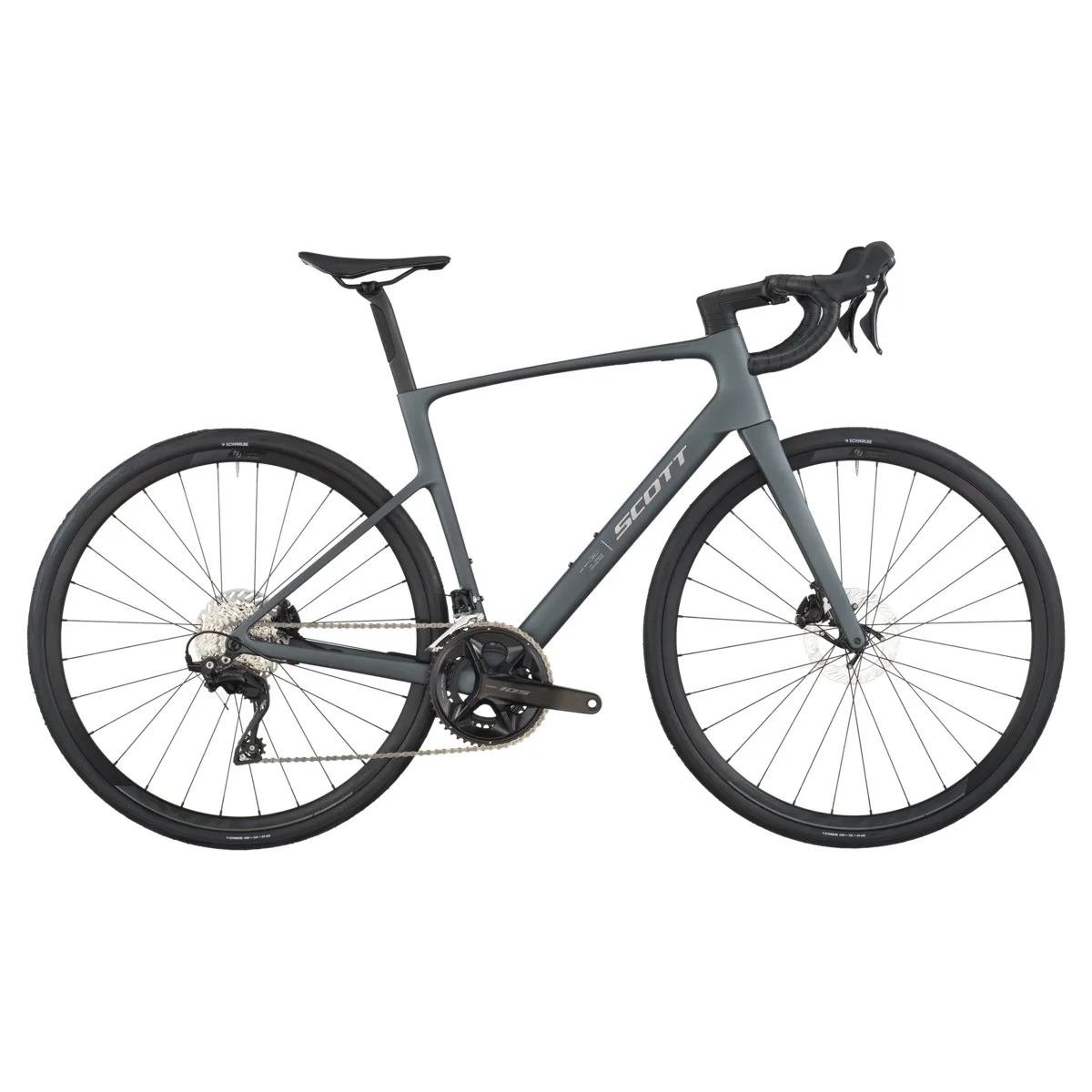
Scott
50% more compliance than predecessor; integrated tool storage
View on ScottThe geometry shift is small on paper and enormous in feel. An endurance frame raises the head tube by 15–30 mm, shortens the reach by 5–10 mm, and slackens the head angle by about half a degree compared to a race frame in the same size. The rider sits taller, hands carry less weight, and the bike steers more deliberately. None of this makes the bike slower on flat roads — wattage still matters — but it makes three-hour rides feel like one-hour rides.
Tire clearance is the second endurance tell. Nearly every endurance bike here clears at least 32 mm, and more than half clear 35 mm or more. That lets you run wider, lower-pressure tires that roll faster on rough pavement and take the edge off road buzz. Paired with the taller stack, wider tires are the single biggest reason endurance bikes outsell race bikes in the $1,500–$3,000 range.
Frame material splits roughly down the price middle. Under about $1,800, aluminum dominates — Cannondale Synapse, Giant Contend, Specialized Allez, and Trek Domane AL variants all compete here. Above $1,800, carbon takes over — Giant Defy Advanced, Canyon Endurace CF, Merida Scultura Endurance, and Scott Addict variants add purpose-built compliance features that aluminum cannot replicate at any price. Neither is the wrong choice; they solve comfort differently.
Best Road Bikes Under $1,500
Fifteen of the endurance bikes here sit under $1,500. The entry-level list pulls those out and adds five race-geometry picks at the same price.
Best Carbon Road Bikes
Carbon endurance bikes are where the engineered compliance features live. The carbon list covers race-and-endurance carbon options together.